A little while back, I wrote about some of the things I’d miss if we could wave a magic time-travelling wand and revert to the mid-century period that fascinates us. That first article majored on the physical media for listening to and watching material from the 50s and 60s, so this time I thought I’d turn my focus onto things dependent on the world wide web. For those of us of a certain vintage, now become used to an internet-enabled lifestyle, it sometimes comes as a shock to remember how we managed to live our lives as fully-functioning adults (well, to the level most of us culturally-dislocated types can manage) in an era before telephones, cameras, typewriters and the contents of our local library came crashing together in a single package on the desk or even in our pockets. I can’t claim to be an early adopter, having acquired my first PC in around 1993 and first connected to the internet at home in 2009 when I upgraded to a new one. I’ve resisted the blandishments of the Smartphone, partly as I don’t relish the idea of carrying around something that valuable, partly as Mrs M has one we can use when we’re out together, and partly out of sheer bloody-mindedness. As a friend once described it, I’m determinedly content to tote a device with an ‘Alastair Sim card’ that keeps me in contact with the world but nothing else! My own technical luddite tendencies aside, and recognizing that the pre-internet age was, of course, miles better because we were all that much younger, fitter and hairier, what bits of the internet would I miss if overnight we went rocketing back?
First up would be that we wouldn’t have a clue what was going on. Social media has become our go to source of information on gigs, record fairs, exhibitions, venues – indeed pretty much anything that might fill our calendar. Sure, word of mouth still matters, and we’ll still pick up a flyer when we see one, but social media fills in the background, keeps us up to date with any changes, let’s us book tickets and replaces poring over street maps to find out where we’re going. Likewise, the community around one event will often lead us to the next, meaning we find out about places we’d previously only have discovered if someone had left the right flyer in the right place at something we’d actually physically attended. Best of all, most of that’s not driven by some cosmic algorithm, but by linking in with people with the same tastes as us and sharing information.
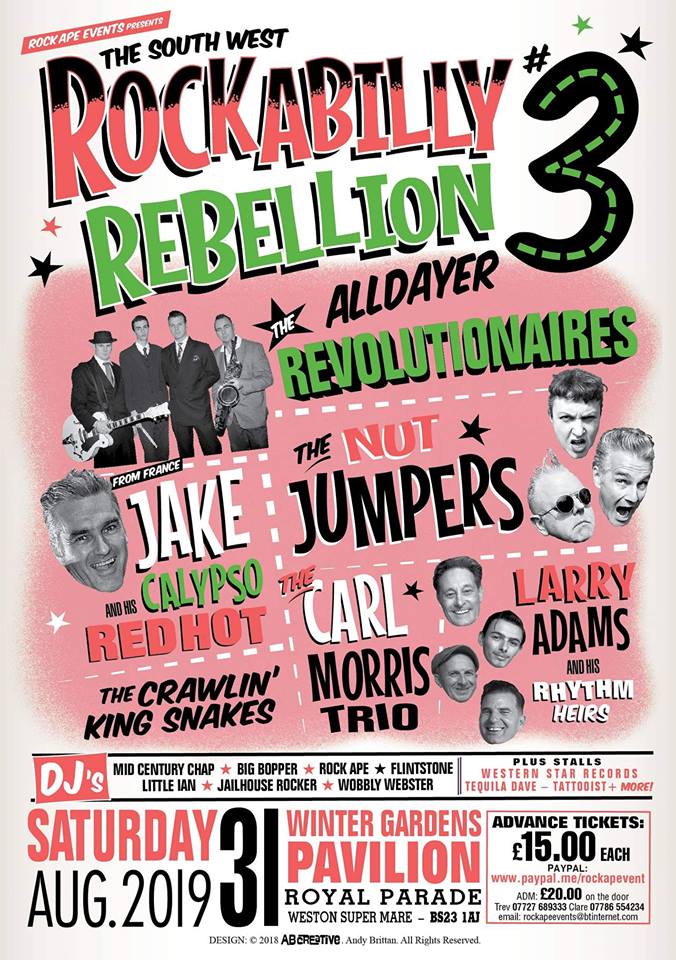
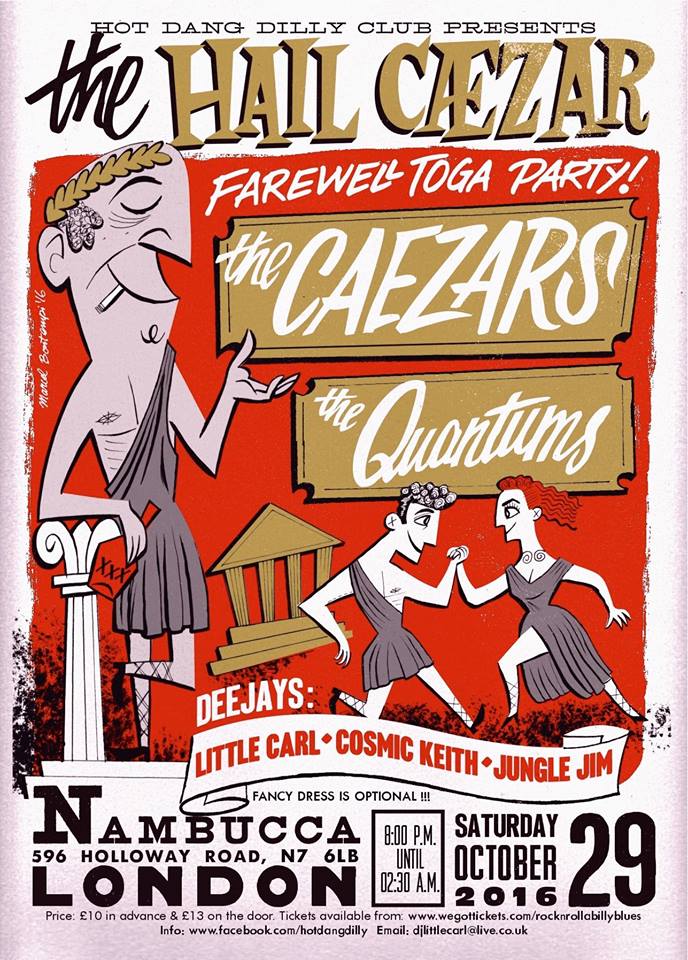
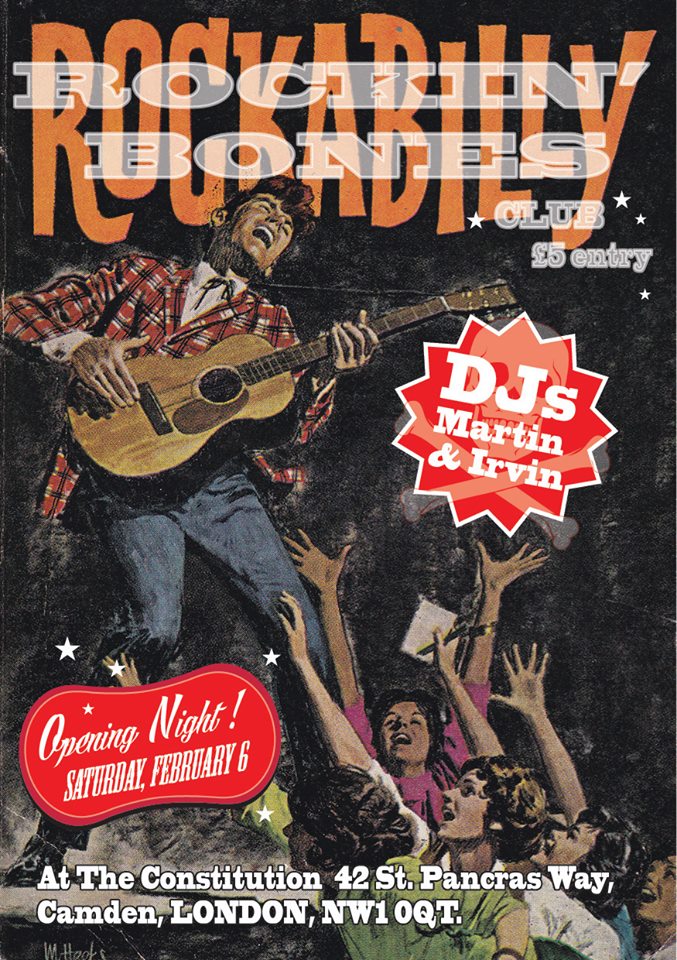
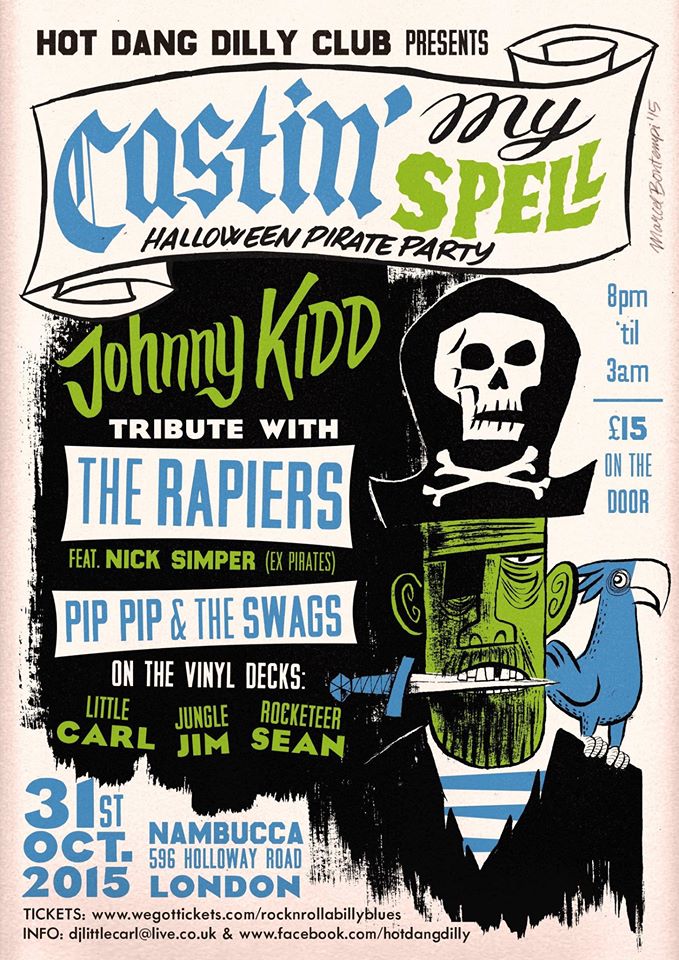
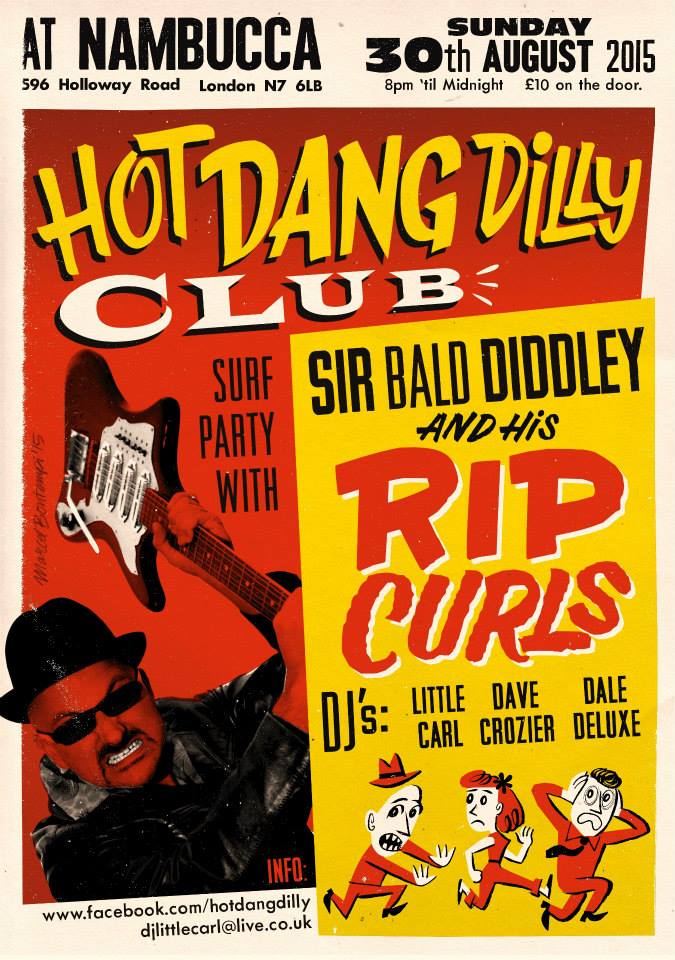
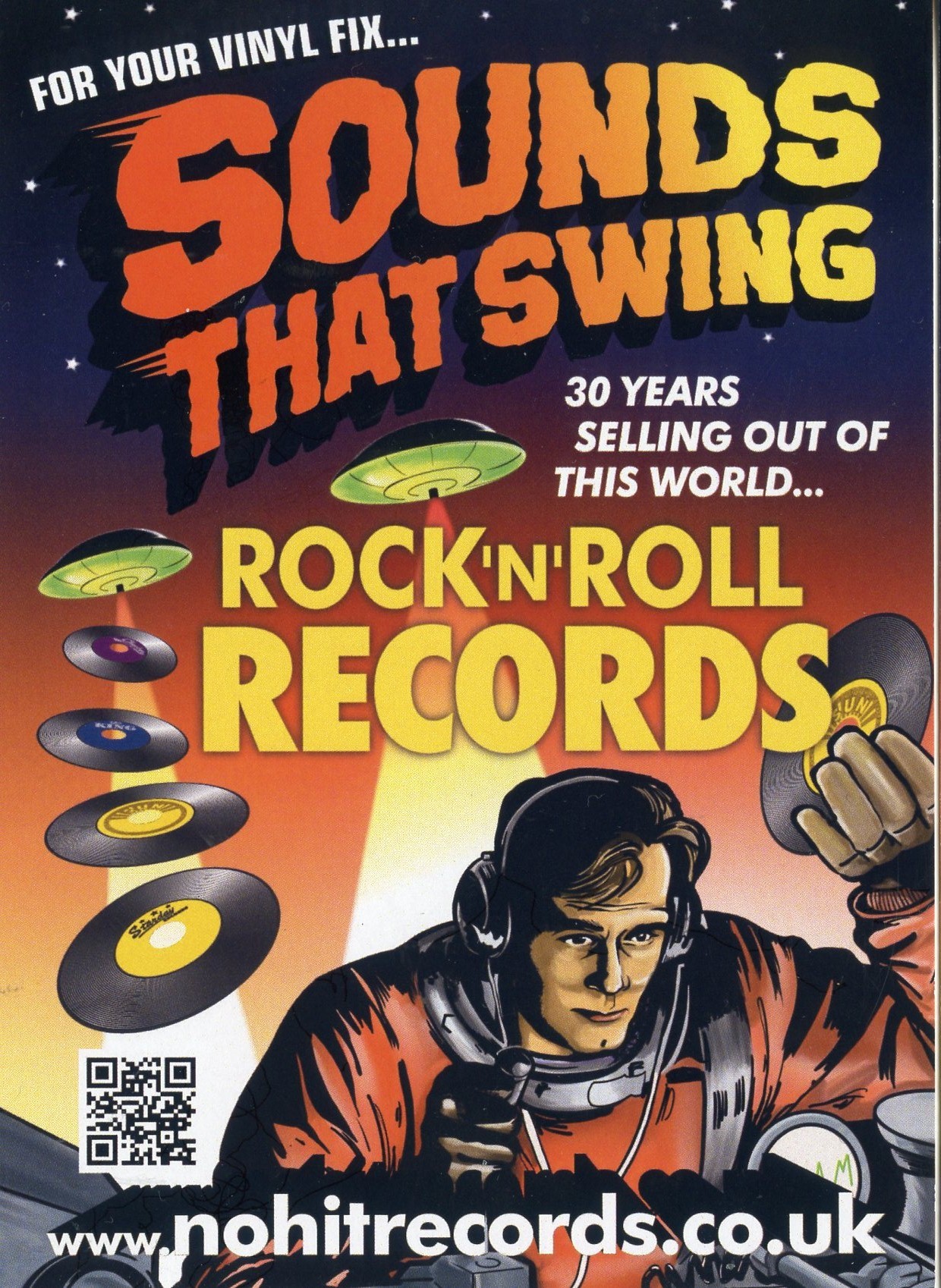
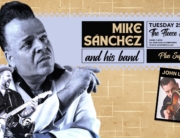
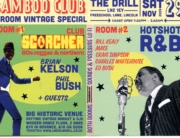
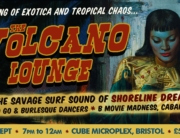
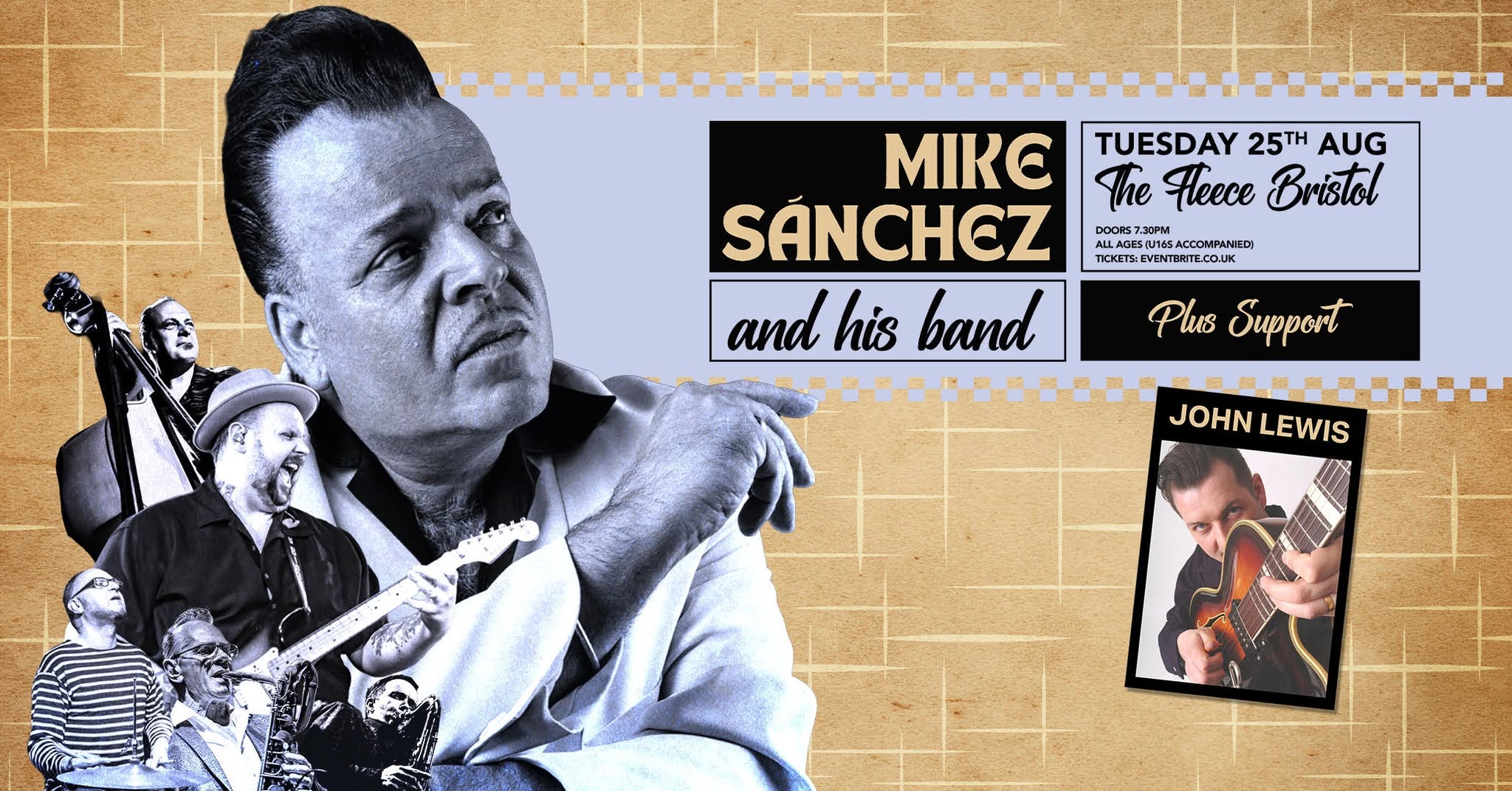
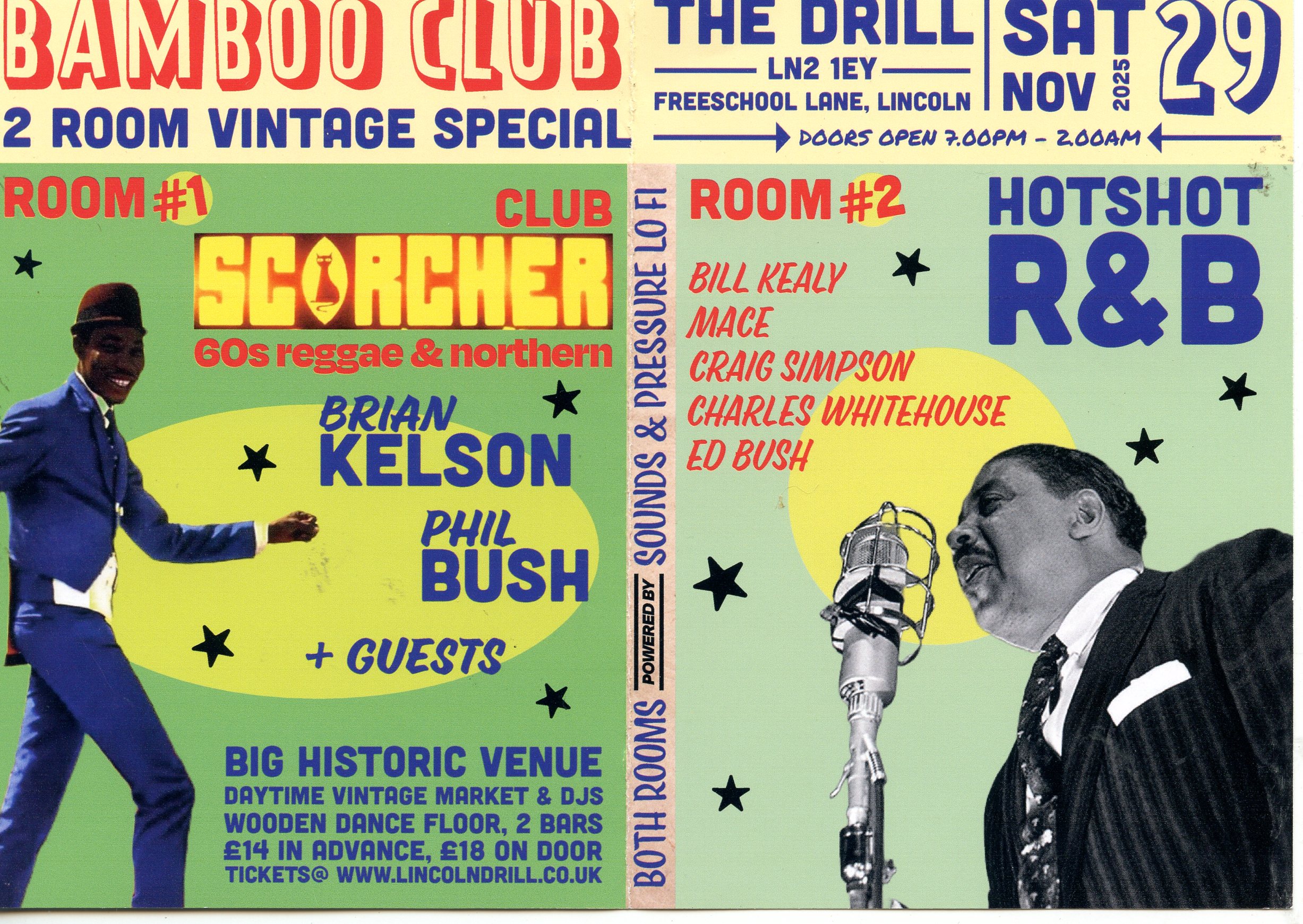
At this point it’s worth a passing nod to the explosion of expertly designed flyers, like the ones above, in the age of easily accessible design software. Whether produced in hard copy, or just digitally on line, there’s some gorgeous vintage-styled artwork out there, both original and drawing on the vast repository of period material that lurks out there. Some of it’s dreadful, of course, with bad clip-art based designs somehow worse than hand-lettered examples from the past, a few of which I’ve pulled at random below, but others are little masterpieces of ephemera, revealing an immense wealth of latent talent across the scene.
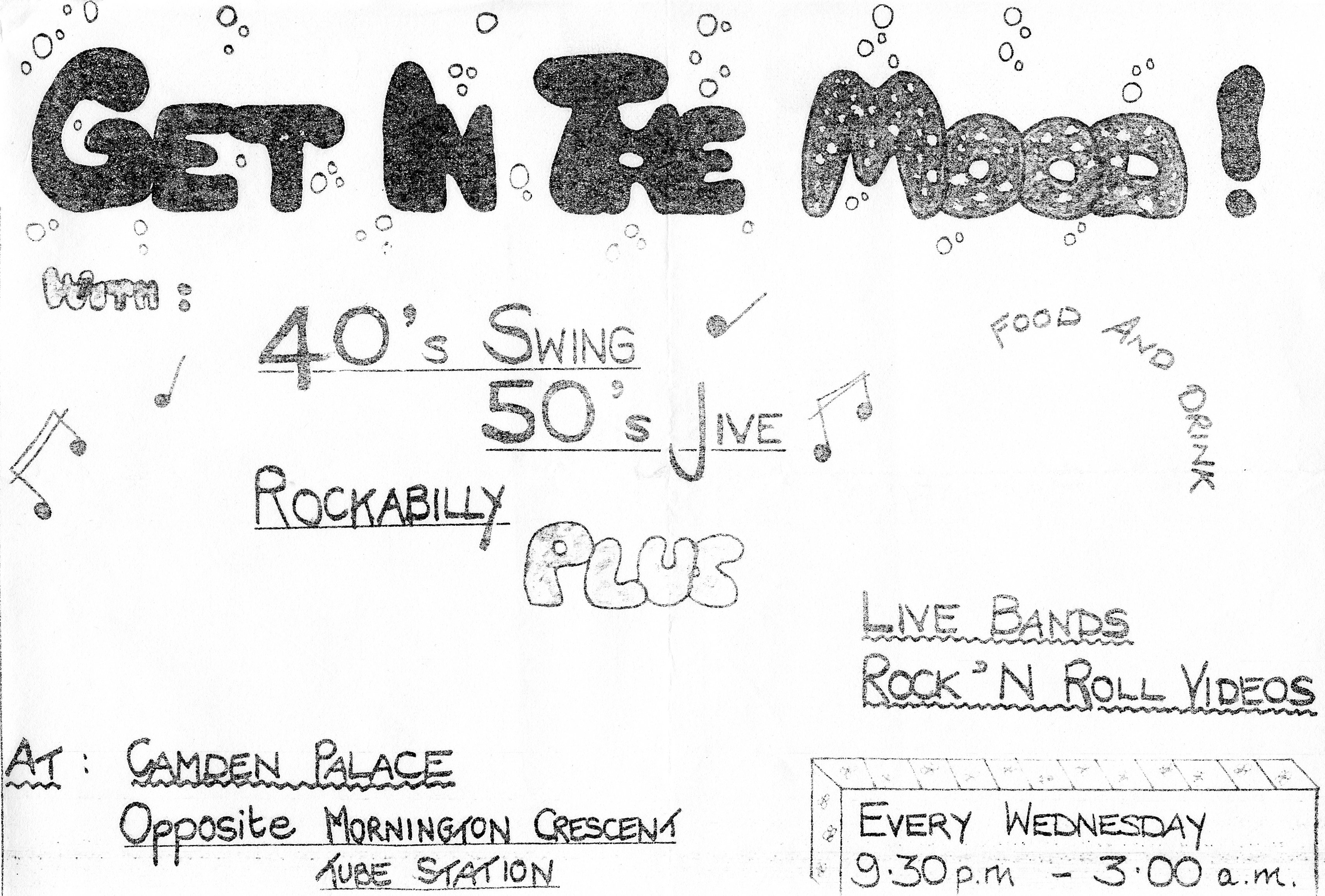
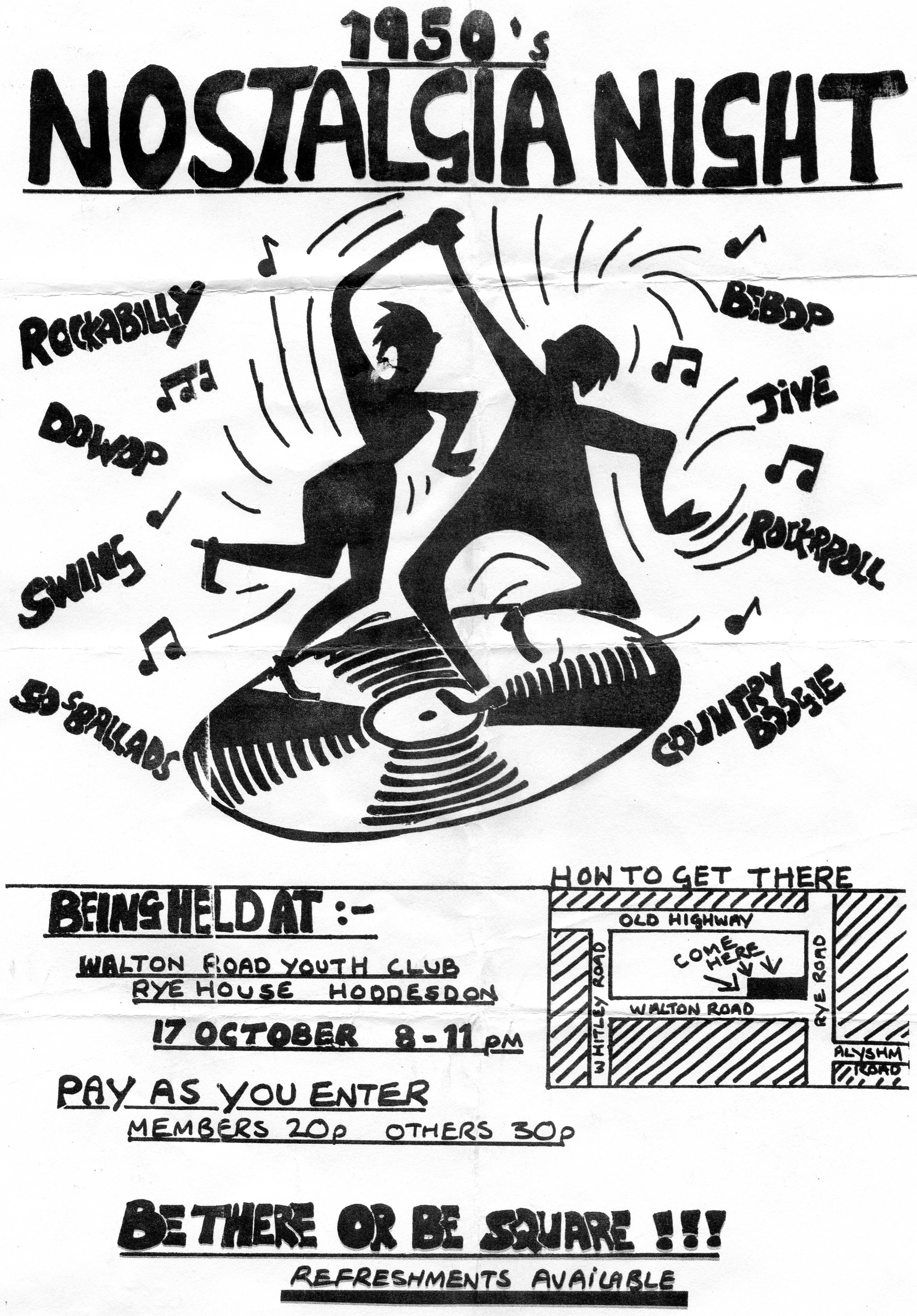
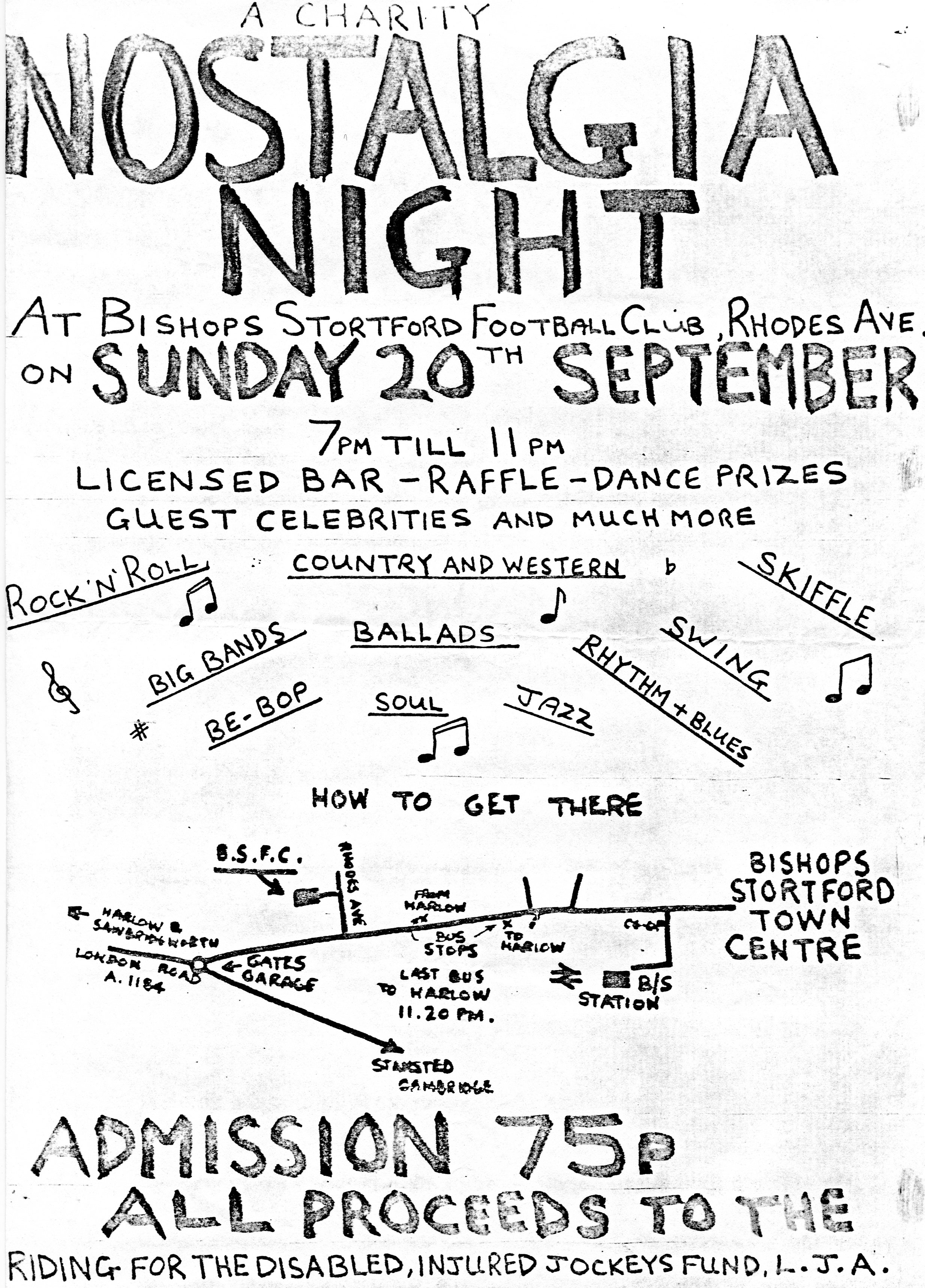
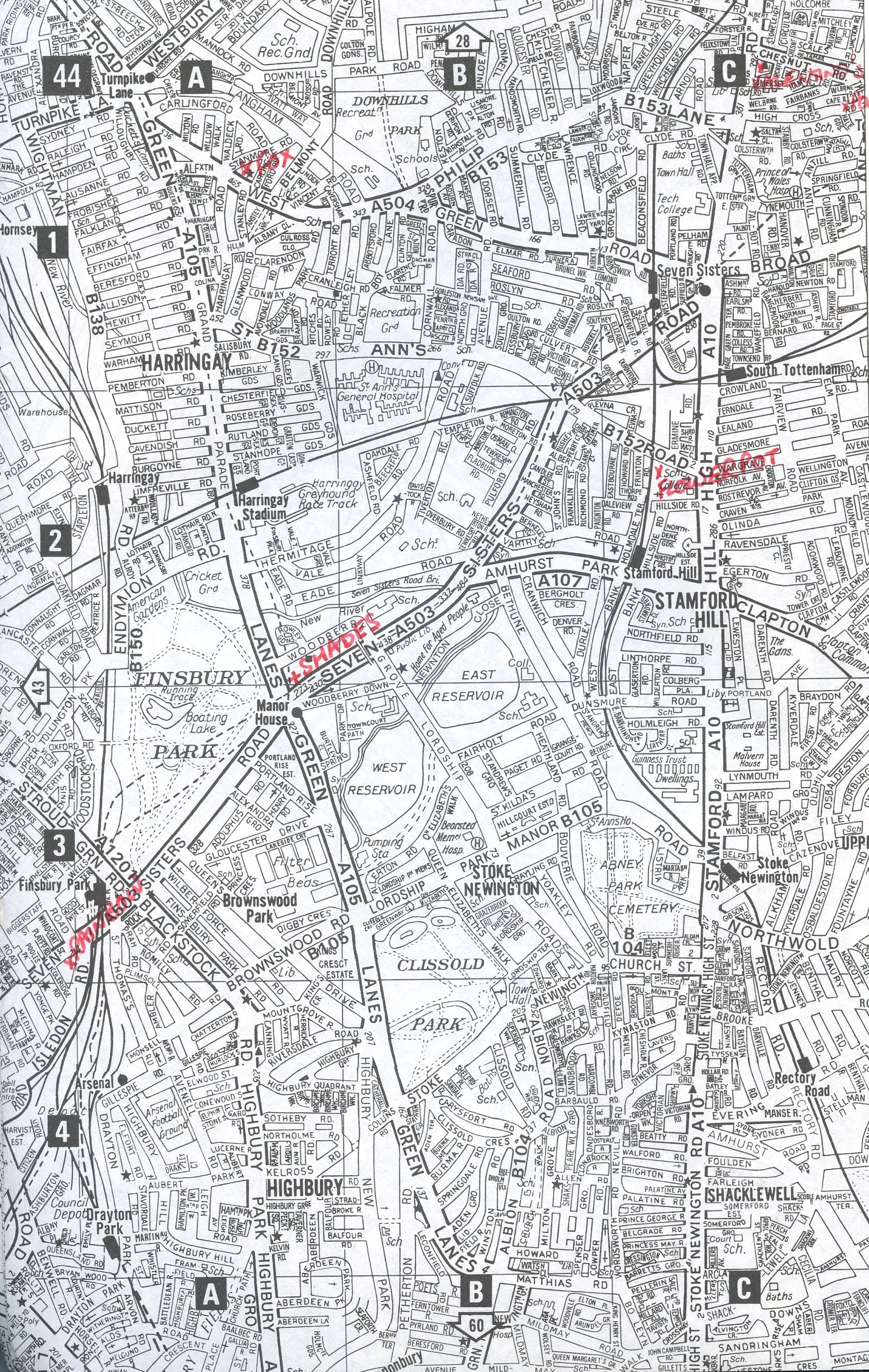
Club navigation – 80s style…
Of course, I could also go on about the ease of finding venues thanks to digital mapping, satellite navigation and the wonders of Just Park but, frankly, that’s much too boring and still somehow doesn’t replace the satisfaction of getting somewhere with a copy of the London A-Z balanced on the dashboard of your decidedly analogue classic car before abandoning it in some dodgy side street. Mind you, that particular nostalgia trip also involves a world before congestion charges, parking zones, traffic calming and a raft of other devices intent on making driving anywhere something to be avoided!
What has, though, been transformative is the ability to share photographs through social media – not just the millions that we collectively generate all the time on various devices but also material hitherto stashed away in hard copy. It doesn’t seem that long ago that we were constrained by the number of shots remaining on a roll of film (usually a maximum of 24; 36 if we’d thought ahead and splashed out on a longer roll), from which we’d buy a single set of prints – possibly two if we were particularly well-organized with a group of friends. And that was it – the vast majority of those prints would stay at home, perhaps in an album, and shared only with those physically close enough to you to lay eyes on them. Hence our lives and exploits would be documented in hundreds of shots that we never knew existed, some taken by friends, others by strangers capturing a scene in which we happened to appear. No such thing as a selfie, of course, unless your camera had a timer and you were capable of using it, or you took the simpler approach of grabbing a passer-by to do the honours with your own camera. Now social media has allowed those albums to go public, revealing memories often blurred by time and the excitement of the moment, opening up connections and renewing old acquaintances. Quite often, these appear at random, such as the photo I came across of me bopping madly at one of the all-nighters staged in a disused warehouse in Petticoat Lane, or the one of Mrs M and chatting to a mutual chum that neither of us could remember long before we thought we knew each other. Less often, a deliberate collection of photos comes to light, like the photos taken by Adrian Sensicle of the 1980s London scene for a college project that lay undiscovered until they appeared on a dedicated Facebook page, leading to their eventual publication in a crowd-funded edition. Here’s both that book, and a selection of shots that have appeared out of the ether…
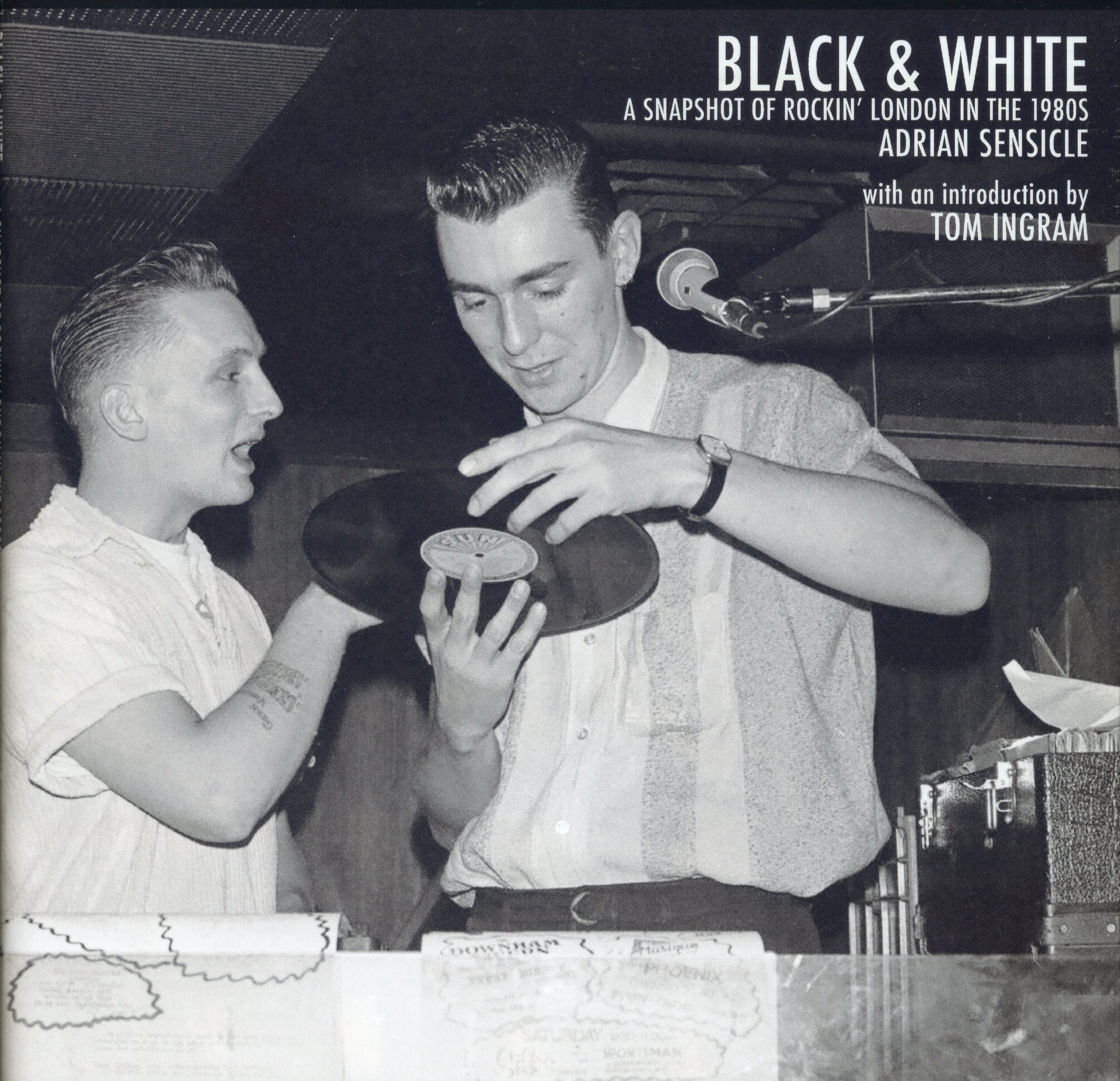
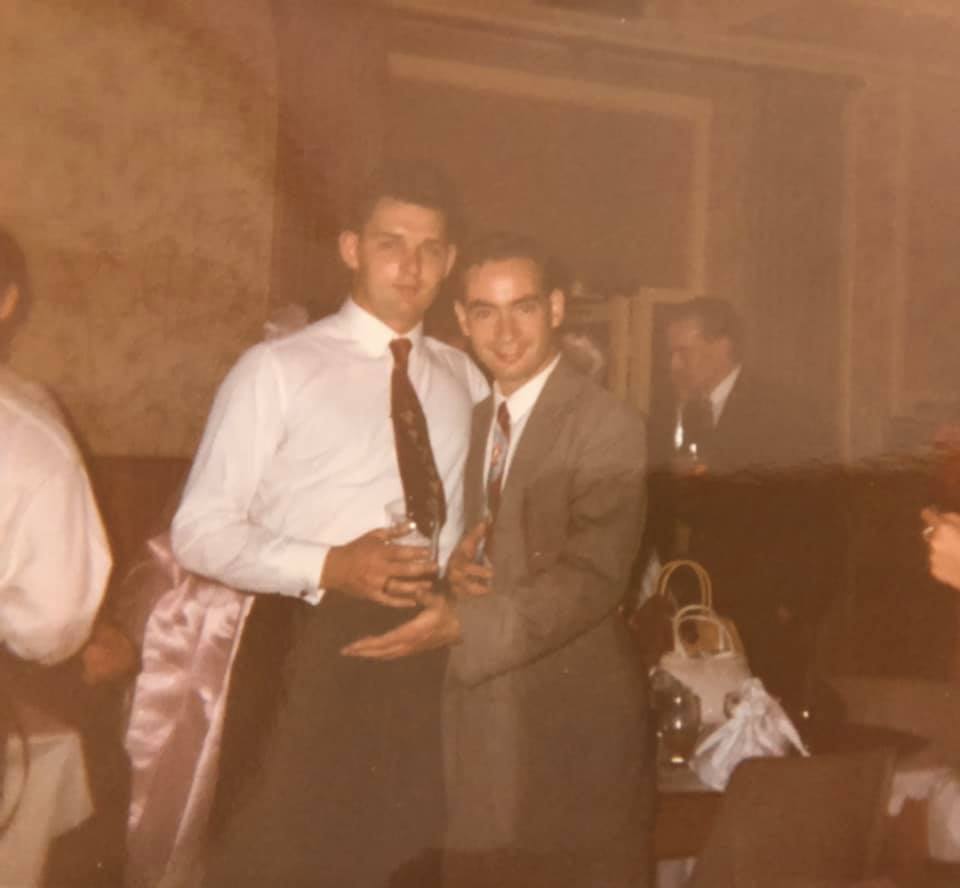
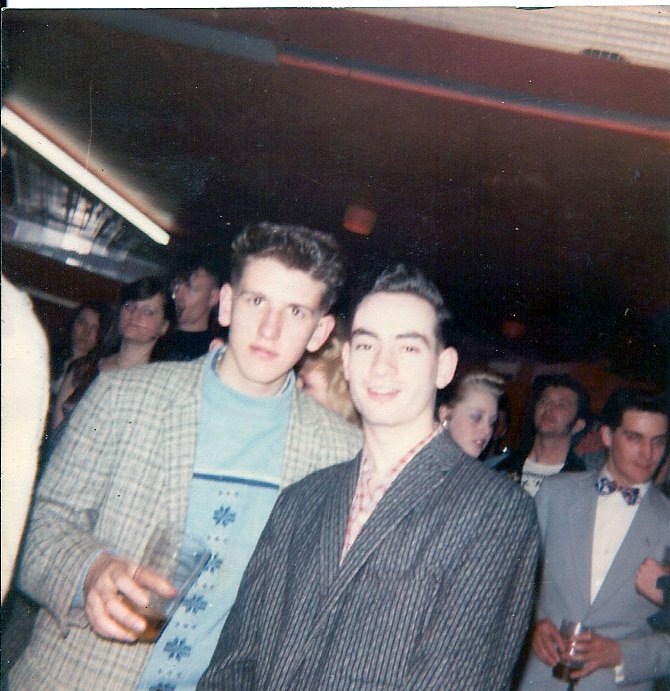
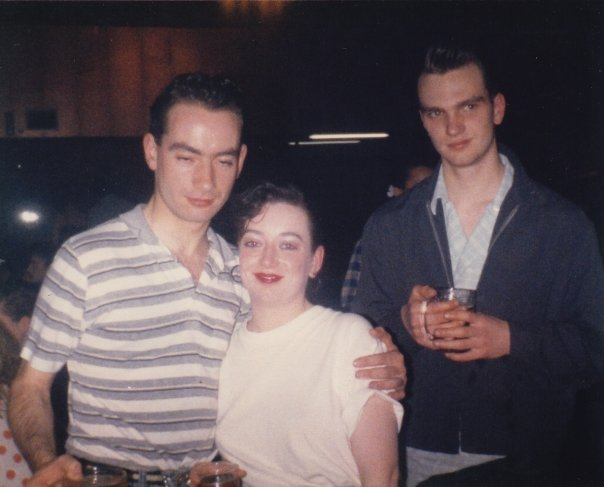
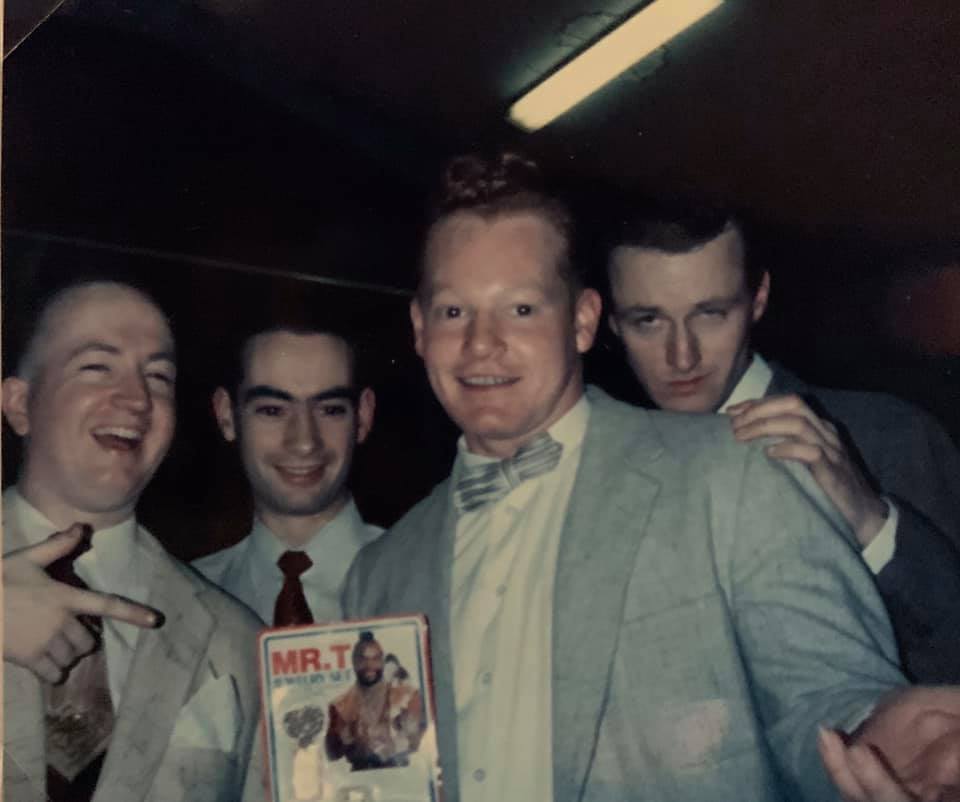
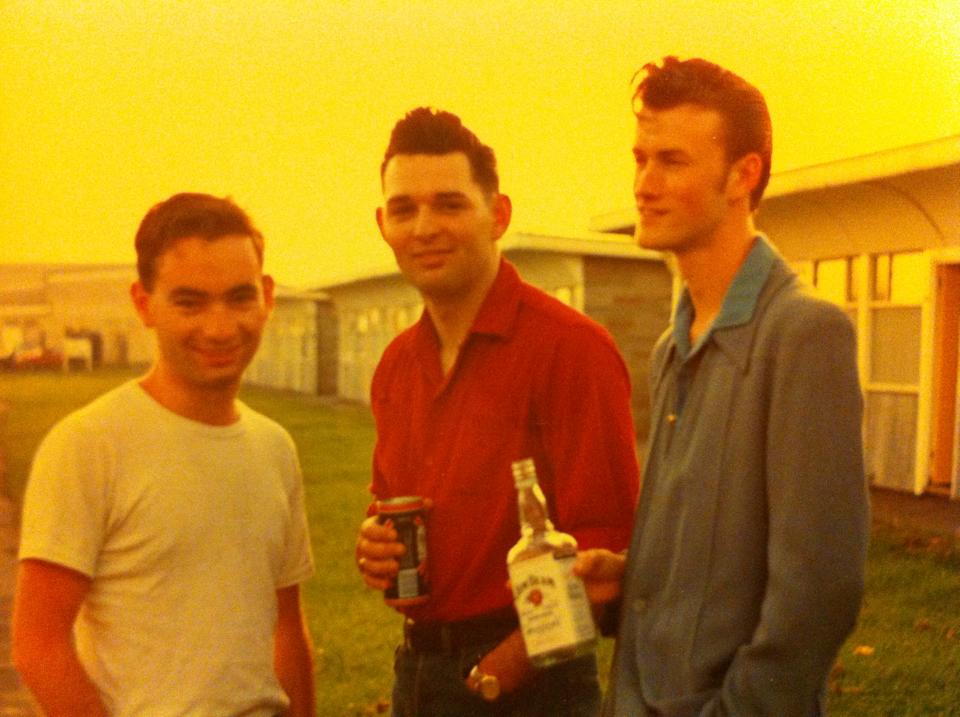
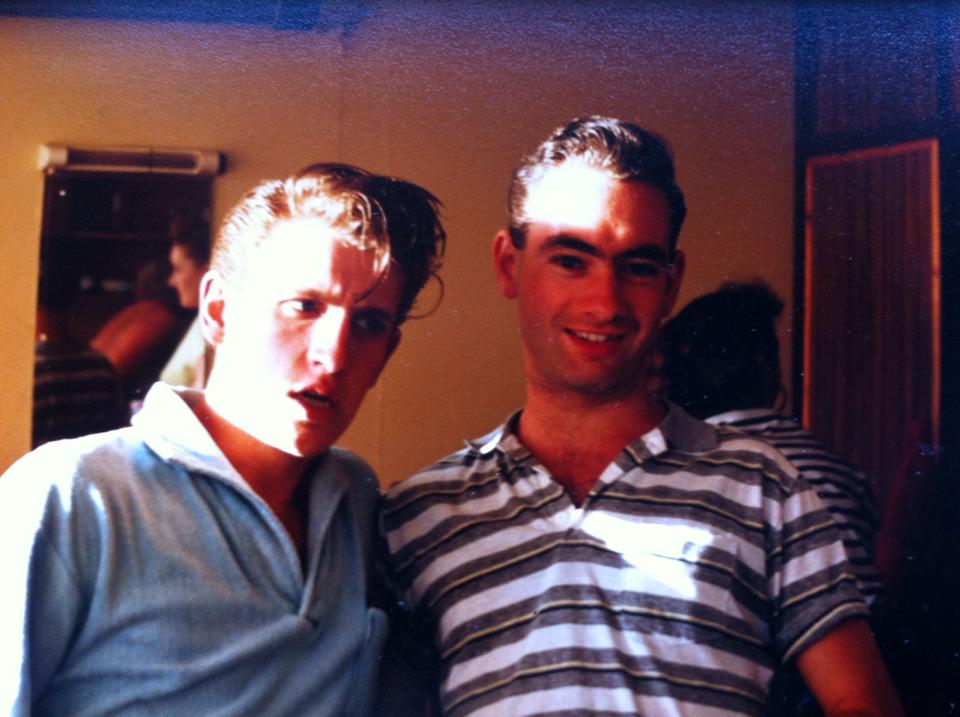
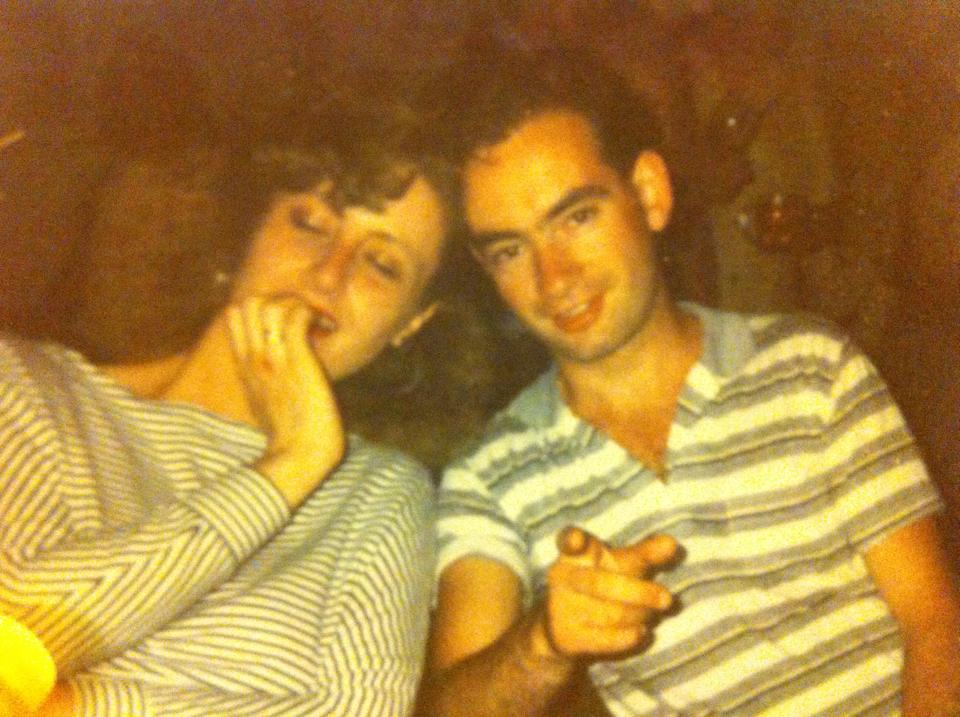
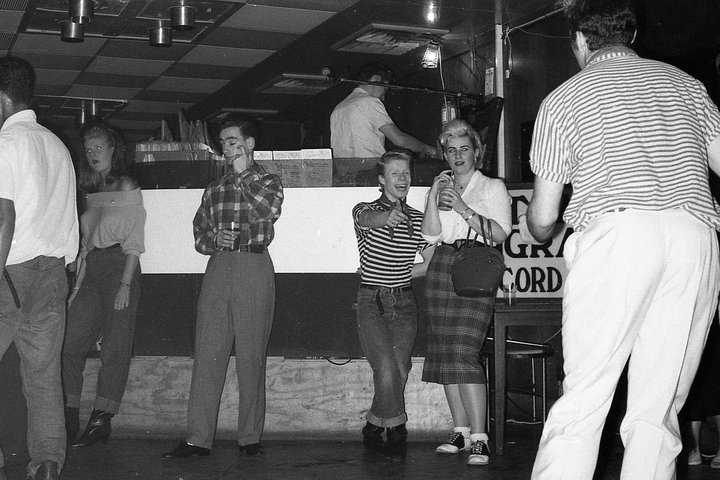
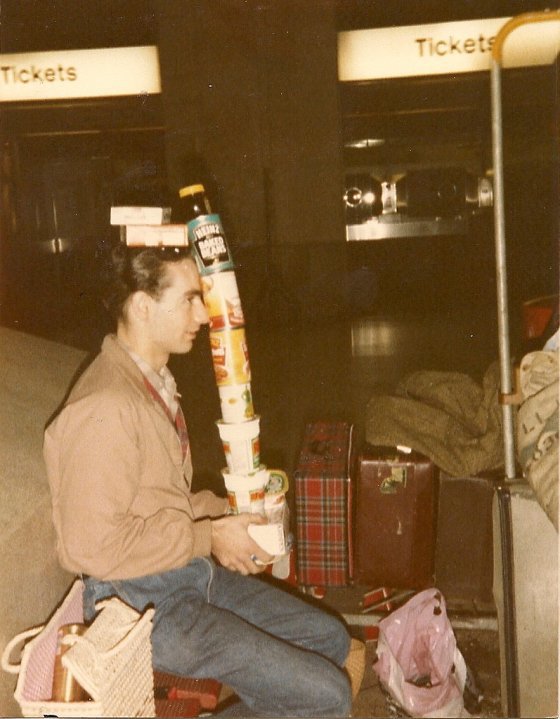
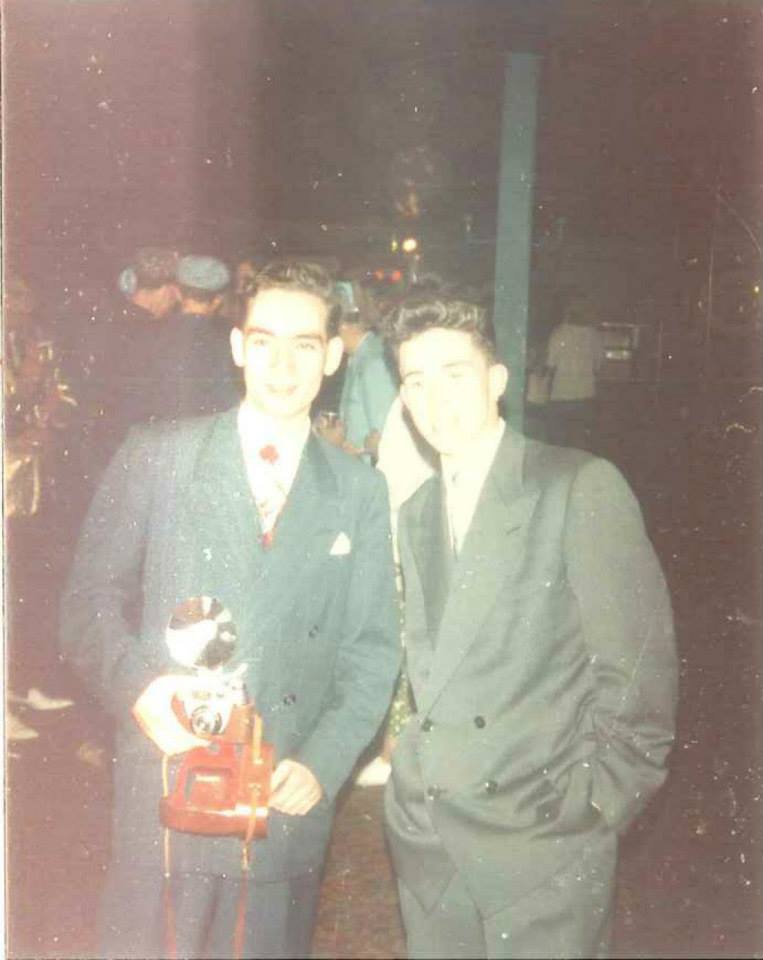
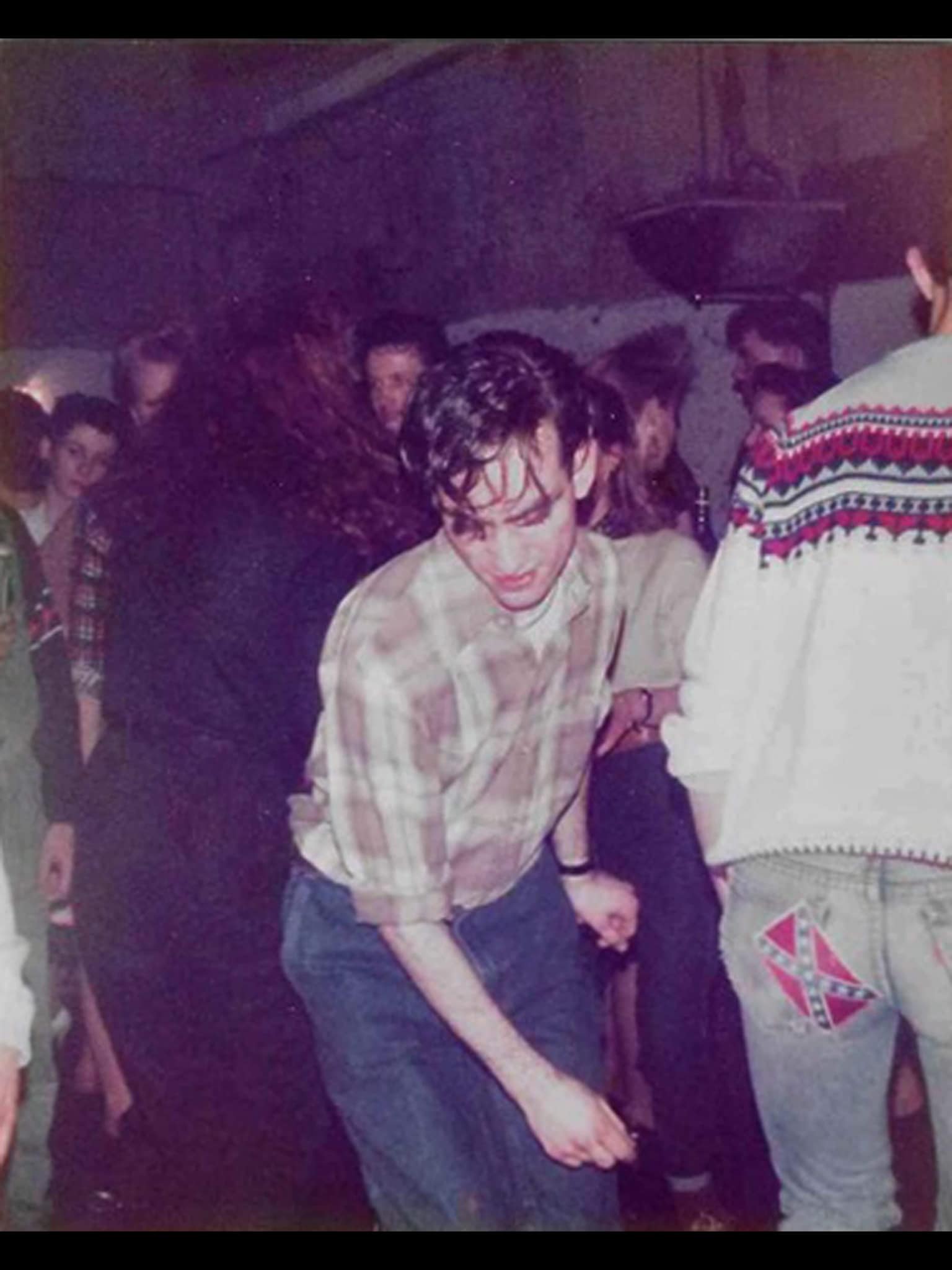
Even now, we rarely bother photographing the events we go to, knowing that some dedicated and talented documenters of the scene will be in attendance (Jon Clay and Tony Bruce take a bow, amongst many others) and within days will have published imaginative and professional albums of material they’re happy to share on social media – to the extent that on the rare occasion that we get photos printed up to add to our physical albums, they’re usually someone else’s. From my perspective, all this neatly bridges the gap between a desire to live in the moment of an event and experience it for the music, dancing and chat it offers, and the pleasure of something to remember it by – which is only possible thanks to the combined technologies of digital photography and the social media on which to share it.
And there, having opened the Pandora’s box of embracing the digital world, I’ll stop short before I enter the wormhole: internet radio to pump niche musical choices direct into our homes; YouTube and Shazam working from either end to allow us to listen to any track from its title, or identify the title from the music (but oh, how satisfied we feel when Shazam fails to identify one of ‘our’ tunes); the digital marketplace to bring the records, books, clothes and vintage bric-a-brac we seek to our doors. Such an abundance at our fingertips – but maybe, just maybe, it was more fun when we had to work at it…