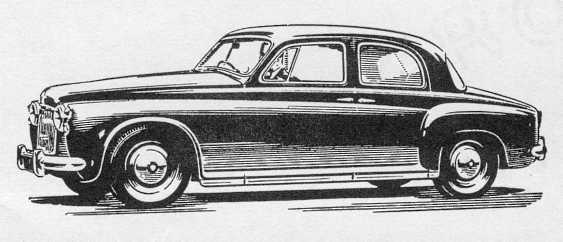
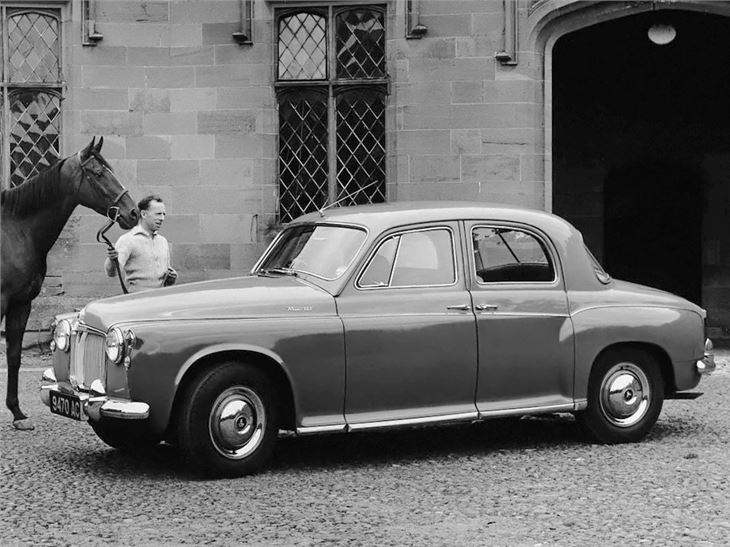
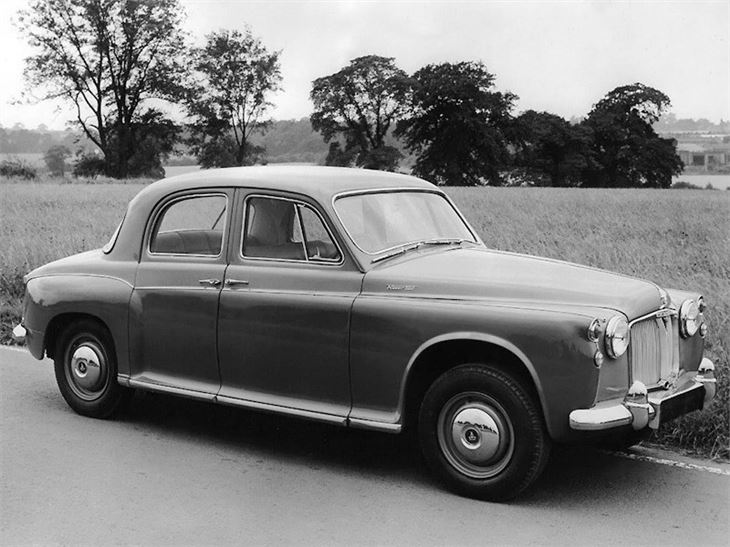
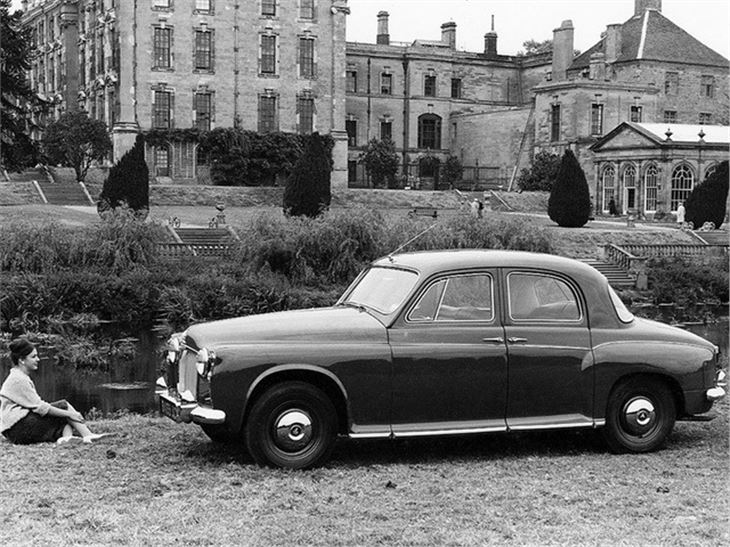
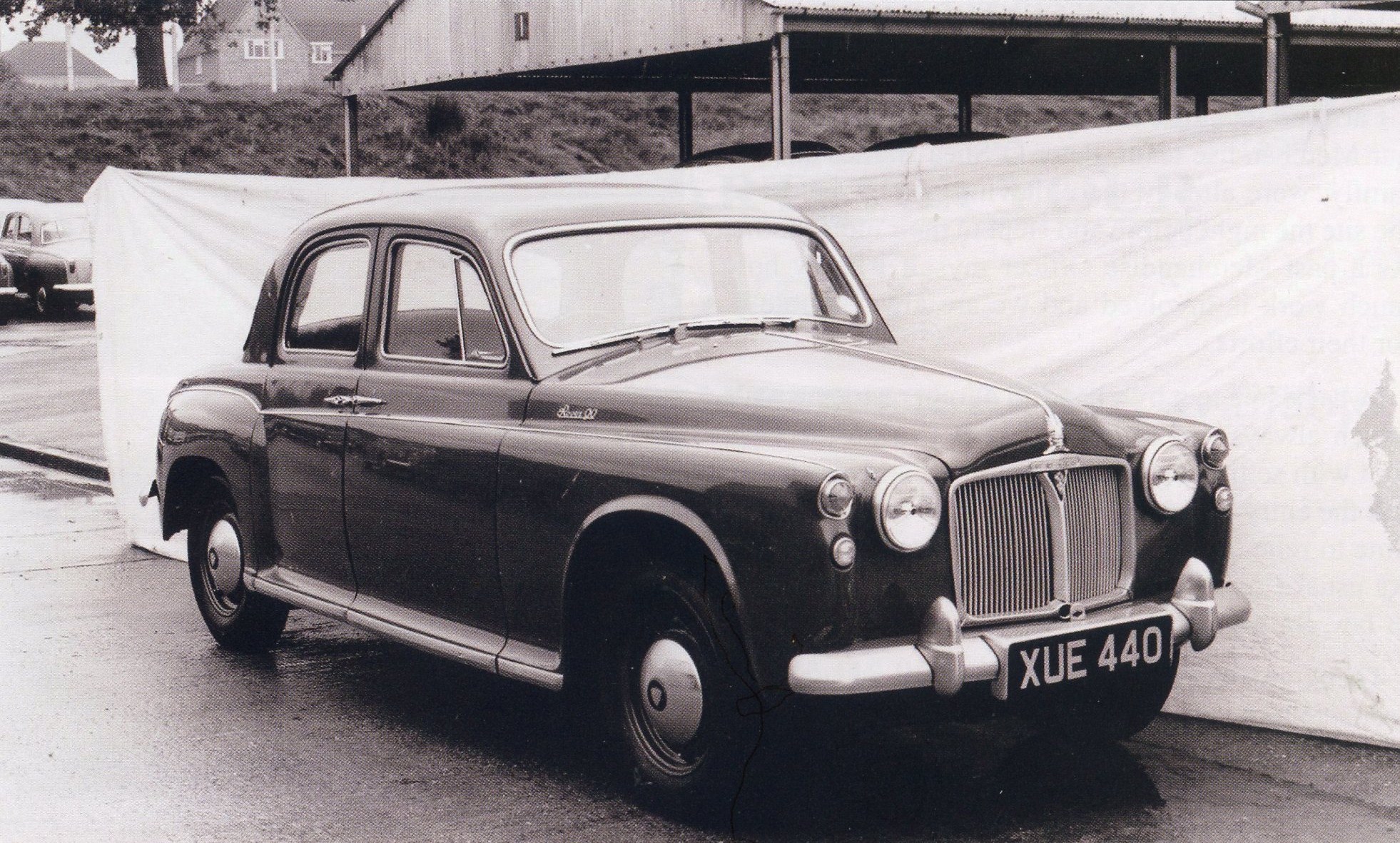
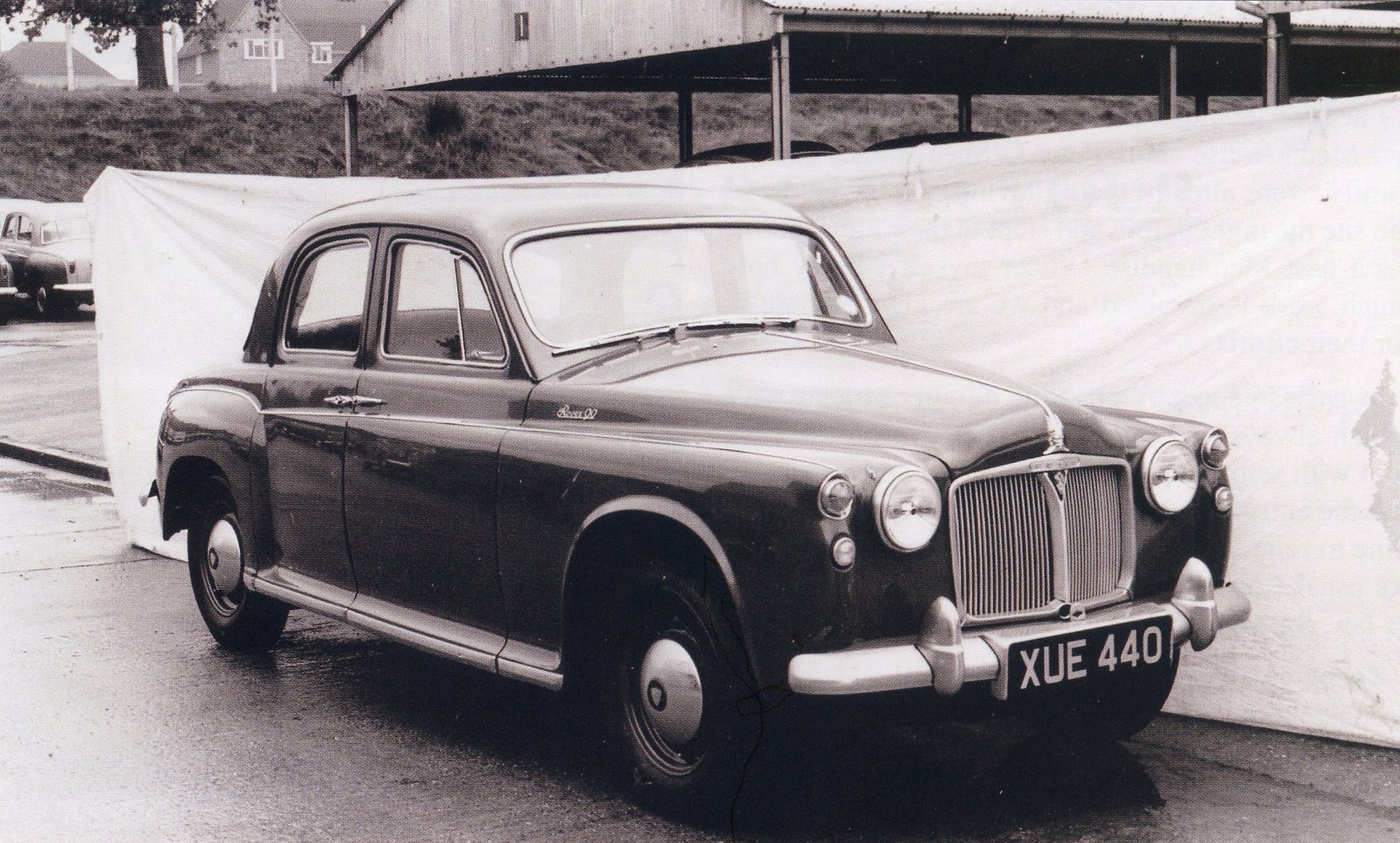
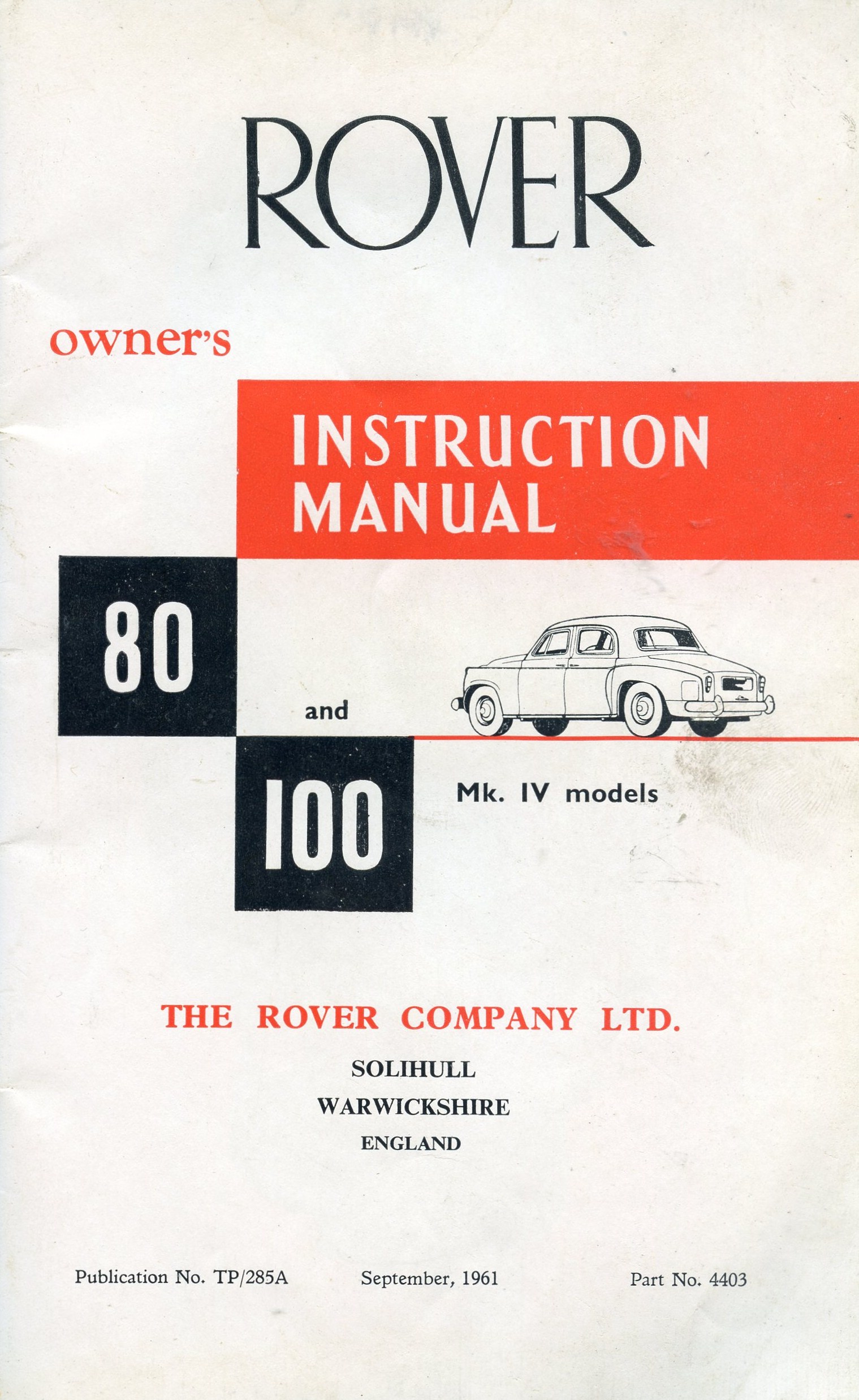
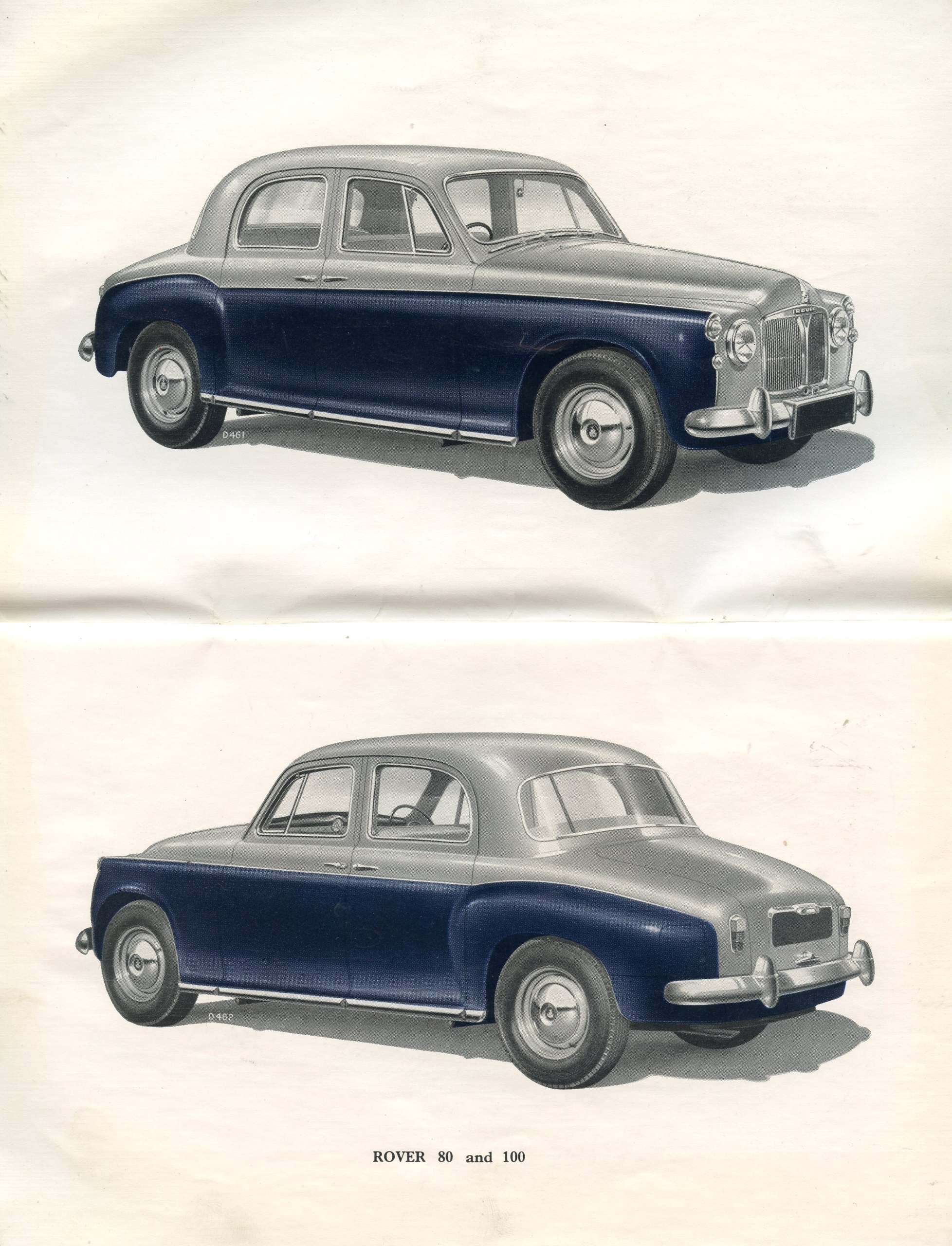
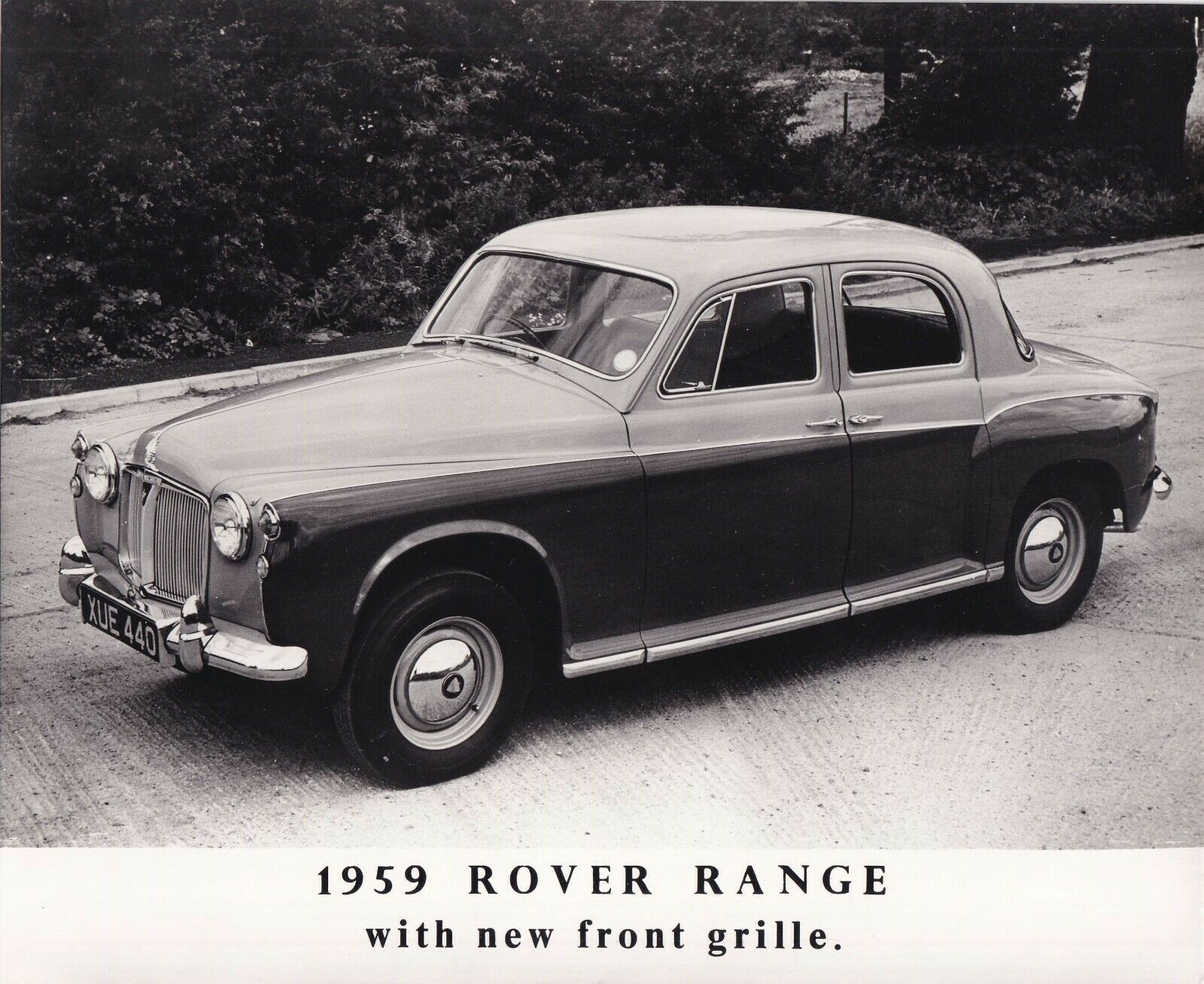
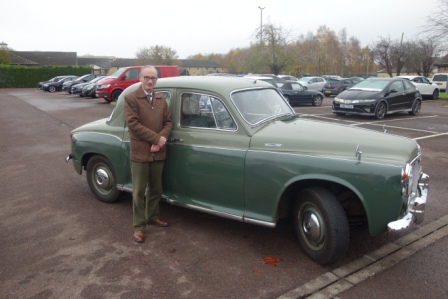
 Alas, I’m no longer a Rover P4 owner. Now, I wouldn’t normally write a blog post about a project I’ve given up on, but having waxed lyrical about reacquiring a 1960 Rover 100 just a few years ago, and it not having featured here in the intervening time, I thought I’d explore how a long-term classic car owner’s eyes can sometimes get too big for his ability to look after his charge.
It’s worth highlighting up front that the Rover was the second classic in my stable, with the garage at home already occupied by the 1969 Morris Minor that’s my reliable daily driver. Hence the first challenge on taking delivery of the Rover was finding somewhere to keep her. Rental garages are getting increasingly hard to come by, with the danger that you’ll end up having to travel some distance just to get her or do any tinkering. I got lucky with a space in a row of disused garages at the back end of my work site, the downside being that it was only just big enough for the car, and with no light or power, meaning that all it could offer was shelter from the elements. Even that was debatable, as the metal roofing had a nasty tendency to ‘sweat’ in cold weather, creating its own internal source of damp; with no room to put a proper cover over the car, the best I could do was chuck an old shower curtain over her to encourage the water to run off.
 The major problem was that if I left it too long between giving the car a decent run, the charge in the battery eked away to the extent that turning over the 2625cc engine was too much for it, and with no room to fit a set of jump leads, the only solution was to extract the battery from under the back seat and take it home to charge. That’s where things started to go awry, as work and domestic commitments conspired with the weather to mean I kept putting off using her just too long on too many occasions, meaning too many of the times I’d meant to use her fell victim to battery charging sessions. There were also the usual classic car challenges – a flat tyre needing a new inner tube from a specialist supplier, followed by finding a friendly tyre fitter to fit it, and sporadic bad earth connections (no doubt due to the less than ideal storage conditions), meaning I could never be 100% certain that side and headlights would perform on demand and making it unwise to take her out at night unless I’d checked her out first.
That’s not to say I didn’t get the chance to get behind the wheel, and she really came into her own over a few weeks when the Minor was in for some bodywork and the Rover was pressed into daily use, which reminded me just how much I like driving a P4. The engine warmed up quickly, with the handy warning light coming on as intended to let me know when the choke could go back in. The overdrive worked perfectly, too, allowing me to slip into a fifth gear equivalent as soon as I’d got above 30 mph on open road. I soon got used to the heavy handling, especially on the fat radial tyres that were fitted which gave her a very stable cruising feel, even if it made manoeuvering at slow speeds a workout for the biceps.
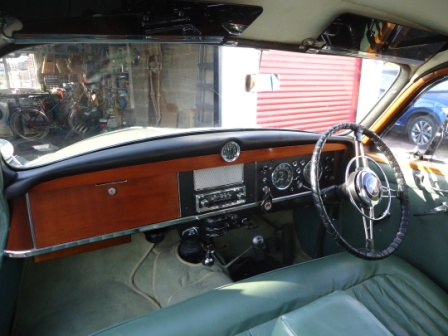 I had some restoration and upgrade successes, too. First job was to stop an annoying leak from the corner of the front windscreen; sadly, one look at the workshop manual instructions left even a highly-respected local firm worried that taking the screen out to replace the seal could cause a whole slew of fresh problems, but they were able to inject sealant to fix the problem. A day spent giving the interior a deep clean confirmed just how good it was, and I even managed to coax the tiny bakelite switches into action, allowing rear seat passengers to illuminate their courtesy lights with the doors closed. Likewise, taking apart and cleaning the chrome fitting containing reversing light, number plate lights and boot lock allowed me to bring all three into reliable service. A day on my back saw all four wings and as much of the underside as I could reach cleaned off and daubed liberally with Waxoyl to keep rust at bay.
In terms of upgrades, the electric clocks on P4s are notorious for sticking with age, so an electronic insert is available to make them completely reliable. Although this was allegedly a DIY job to fit, one look at the instructions sent me running to a vintage radio specialist more adept at delicate and fiddly jobs. At the same time, I managed to track down another radio specialist able to fit an FM circuit into the original MW/LW radio without changing the appearance, giving me a choice beyond Radio 4 and the cricket and completing the attractive glow of the dashboard dials, clock and radio for night driving.
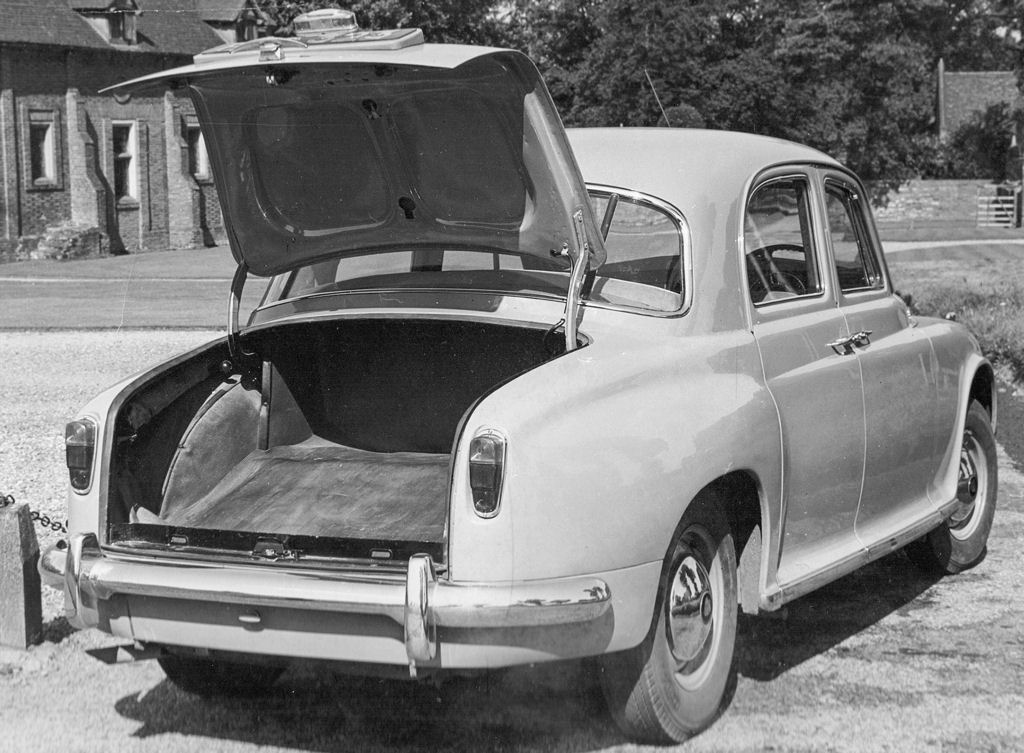
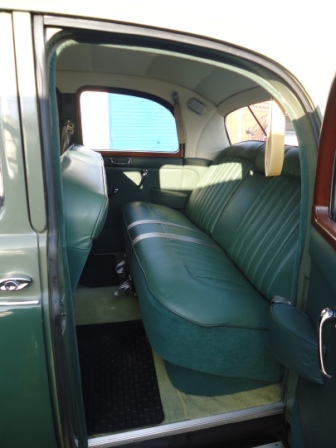 I had a long term plan, too, starting with getting the underside thoroughly cleaned off and then treated with Dinitrol to make sure that was secured before turning my attention to the bodywork. A session with some wet and dry had highlighted that the wings would most likely need a respray as the previous overspray couldn’t satisfactorily be blended in, but the rest of the paintwork felt sound enough to merit seeing what some work with a rotary polisher and cutting compound could achieve before going further. The wheels themselves would need sanding down and respraying to match the quality of paint on the rest of the car, and I had a set of chrome trims ready to set that work off nicely. I was also tempted to replace the tyres with crossplies of the original pattern and profile, which would not only make the handling a lot lighter at low speeds (and I had no intention of doing any high speed motorway driving) but also allow me to slide the spare wheel back in its dedicated slot under the boot as the radial tyre on it was too fat to fit. An alternator conversion also seemed like a good idea to help keep the battery charged up when doing short trips, especially at night and in poor weather, and I’d spotted an ideal product available in a positive earth version avoiding the need to change over the original polarity of the car.
All started well, with a trip to my favourite local classic car engineer and the Rover raised high on his ramp confirming that the underside was in very good nick, making the investment in Dinitrol treatment worthwhile. A problem, though, was a weeping patch in the corner of the fuel tank, in rather too close proximity to the exhaust to be left unattended. A round of phone calls revealed that none of the P4 parts specialists were commissioning new tanks anymore, but my luck changed when I spotted a sound tank on EBay just 40 miles away. A quick trip up the M5 secured it, which made my first restoration task one of cleaning off and Hammeriting the tank’s exterior, then flushing it with with a water-soluble rust retardant (I really didn’t fancy dealing with some of the more corrosive products). That hopefully just left a straightforward exchange of the new tank for the old, adding some replacement rubber parts for good measure.
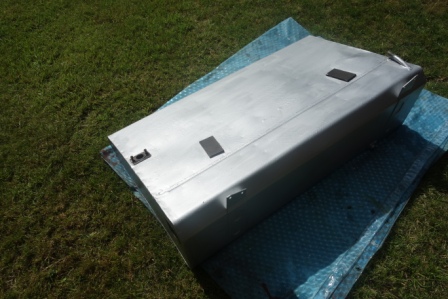 And that’s where the story took a turn. Removing the old tank revealed that the metal filler tube needed to be cut off the old one and welded to the new – not something my local classic car chap had the experience to undertake, especially where fuel residue might be around. That left me with the challenge of phoning round the ever-decreasing number of specialist engineers in the local area to find someone willing to take it on (not to mention the hurdle of finding anyone who knew what I was talking about), then finding time in the working week to shuttle the tanks to and fro, all the while leaving the Rover tankless and immobile in my engineer’s yard. Any fall down in the process would leave her stuck there indefinitely.
It was at that point that a dose of common sense kicked in. Even if I’d managed to master this project, I’d simply be back where I started, with a lot to do, little free time to do it in, and very little opportunity to put the Rover to regular use. There was also the nagging feeling that trying to adopt a 2.6 litre, 6 cylinder car as an everyday drive was going to be hard work in a world where E5/super unleaded petrol wasn’t available at every filling station, and was probably going to get less so – and more expensive. And I like to drive my classics, not just take them out a few times a year to park in a field full of other old cars. But surely I’d done this before, another part of me kept saying – you used to have a 1962 P4 as your only car and drove it all over London as well as further afield. Yes, the grown-up me, replied – and that was in 1984, when your car was just over 20 years old. Now your car’s 60 plus years old, which would have been the equivalent of going out clubbing in a car from 1920! A bit of me wanted to bite the bullet, and turn her over to one of the P4 specialists with instructions to fix everything and take the hit when the bill came in. But that would just put a fully-restored and valuable car back into a damp lock-up, still competing for time, still a thirsty beast to use as my primary drive – and starting quietly to deteriorate again.
And so I made the big decision: get the old tank put back in while it was still fit for purpose, and put her up for sale while I could still offer a fully-functioning drive-away classic with bags of potential for someone with the time either to work on her themselves or manage the projects needed to turn her into a really nice example. I approached the sale with some trepidation – would there be others out there who wanted a P4 as much as I had, or would they now be regarded as too staid in comparison with either flashier models from the same era or more modern classics from the 70s and 80s? Ironically, my first step on retrieving her was to dig out the rotary polisher I’d bought just after I’d acquired her – and sure enough she came up a treat, making me wish I’d been able to find the time and courage to get cracking ages ago. That meant a nice set of photos placed with bated breath on Facebook Marketplace and the P4 Drivers Guild webpage, with a price reflecting what I’d paid for her less what it would cost to get the fuel tank sorted.
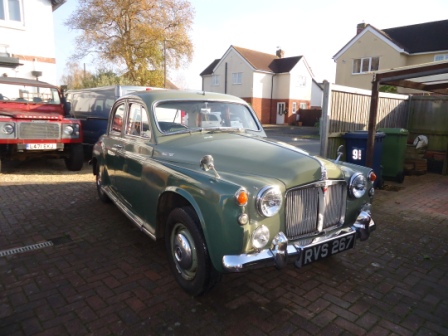
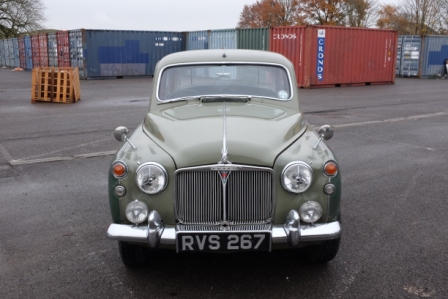
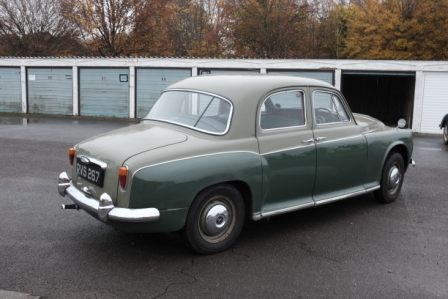
And I’m delighted to say the messages came flooding in – a couple of the ‘I’ll give you half that for cash and a quick sale”, but most genuinely interested and keen to see her in person. First to reply was first to arrange a visit, and offered me the asking price on the spot. Unusually, the buyers were a family who’d never encountered a P4 before, but who enjoyed working on restoration projects together and who quickly got the measure of her – recognizing the quality of the mechanics, underside and interior, and judging the tank and bodywork well within their capacity to sort out. Even better, the intended user was a 20-something son, marking a neat turn of the wheel from my first P4 back in the 1980s.
So, not the outcome I’d intended, and a big chunk of me misses her already – but then that’s so much better than living with the prospect of an undriveable vehicle, off the road, badly garaged and rapidly losing value until I could find the time and expertise to bring her back to life. And, as Mrs M encouragingly reminds me, if I wanted to, I could always get another one…
And so, to console myself, here’s lots of lovely Rover-y images from out there in the interspace