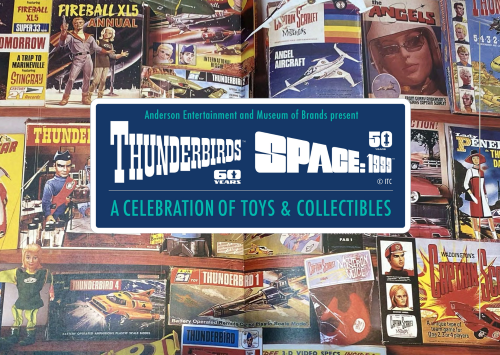
 Robert Opie’s Museum of Brands is one of our favourite places to spend time, and when we learned that it was hosting a special exhibition of merchandize associated with Gerry Anderson’s 1960s TV series, a revisit took on the status of a pilgrimage. A congested diary forced us to put off a visit until the last month of the exhibition, so this article is more of a retrospective than an advert for it, but if the Gerry Anderson element has to be one of ‘look what you missed’, then hopefully the remainder will whet your appetite for a visit to the Museum in the future.
So what is a ‘Museum of Brands’? Essentially, it reflects the passion of one man for the ‘stuff that stuff comes in’. From his youth, Robert Opie was fascinated by the packaging surrounding everyday products, designed the catch the eye on a shop shelf and immediately identify a brand – and hence attract the shopper’s coin – but at the same time ephemeral and destined for destruction once the contents had been consumed. He cites a packet of Munchies from a vending machine in Inverness in 1963 as the first item in his collection, and ever since he’s been quietly amassing examples from across the spectrum of British consumerism, sometimes with contents intact, more often with the packaging carefully preserved and reconstructed to appear as they would have done on a shop shelf.
From his 1960s start point, his collection stretched backwards to the Victorian era, representing the effective start point of recognizable branding in mass production for domestic consumption. He’s been careful, though, not to set an end point, so the collection is a living one, reflecting that in the world of the ephemeral and constantly changing world of commercial packaging, the commonplace of today is the nostalgia of the day after tomorrow. As the collection has grown, it’s also expanded to feature products themselves, such as toys, games and household technology, but always with a strong emphasis on everyday domestic design, meaning that everything in it was part of the day-to-day world that surrounded those who lived through a particular era.
Fortunately, the potential for a collection like Opie’s to resonate with non-specialists was recognized from early on. In 1975, it was featured in an exhibition at the Victoria and Albert Museum under the heading “The Pack Age – A Century of Wrapping it Up”, and in 1984 it found a permanent home as the Museum of Packaging and Advertising in a disused warehouse at Gloucester Docks (which is where I first encountered and fell in love with it). Redevelopment of the docks saw the Museum on the move with a relatively brief sojourn on Wigan Pier as the Museum of Memories, before it gained charitable status and arrived in London’s Notting Hill in 2005 under its new, more all-embracing title of the Museum of Brands, Packaging and Advertising. After a successful ten years, a final move brought it to larger premises close to Ladbroke Grove tube station under the simpler title of the Museum of Brands – phew!
The Museum itself is beautiful in its simplicity. The bulk of the collection is presented in a winding time tunnel of floor to ceiling cabinets, starting in the Victorian era and ending in the early 2000s. Within each epoch, the cabinets are themed, with groupings of food, drink, entertainment, toys and the like. Aside from a sprinkling of signage highlighting the key trends of an era, though, there’s no labelling, and exhibits are carefully arranged in a natural state, emulating the way they’d be encountered in real life: be that the kitchen cupboard or the toy box. It’s fascinating to listen to the reactions from different age groups as they progress through the tunnel – from interest in the past, or admiration for design styles like art deco, to the point where the timeline hits their own childhoods and the “We had one of them!” moment kicks in. From there, each moves on to the point where their own disposable income played a part in their surroundings – the “I remember buying that” point, to the groans of being reminded of some past fad that now seems desperately uncool.
The second part of the Museum is thematic, following the packaging evolution of iconic household brands through their lives to see how some have maintained a consistent look while others went through a transformation. That part also houses a wall of radios from the 40s through to the 80s, which for us sparked a mixture of spotting the ones we have in our collection, and a sense of relief that there are clearly others with a bigger collecting problem.
And then there are the special exhibitions, brought together for a limited period, which is what drew me back on this occasion. It’s hard to express how much Gerry Anderson’s programmes meant to me, which is why I’ve held off writing about them in this blog. Born as Supercar and Fireball XL5 were hitting the screens, and reaching peak TV watching age in time for Stingray, Thunderbirds and Captain Scarlet, I played with the toys, read the annuals, and in the 1980s made my monthly pilgrimage to the Forbidden Planet store in Holborn to buy the SiG fanzine, then faithfully collected each of the videotapes as they appeared in the first wave of commercial sell-through releases. Repeats in the 1990s brought another wave of merchandize which I added to my collection, and I’ll still happily sit down to watch re-runs on Talking Pictures TV and ITVX.
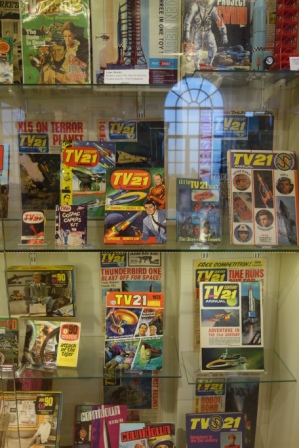
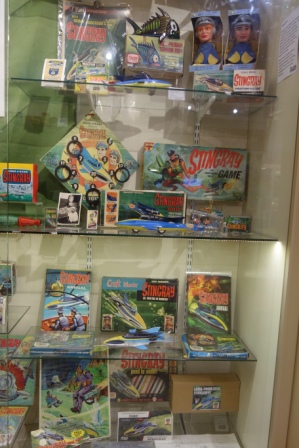
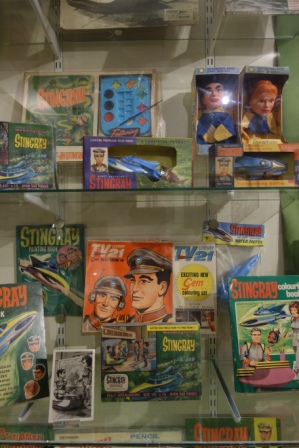
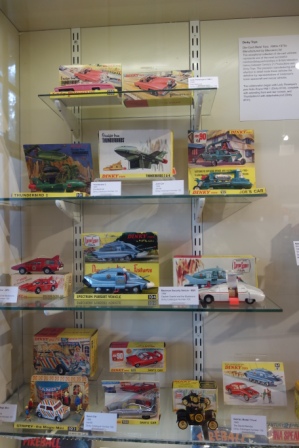
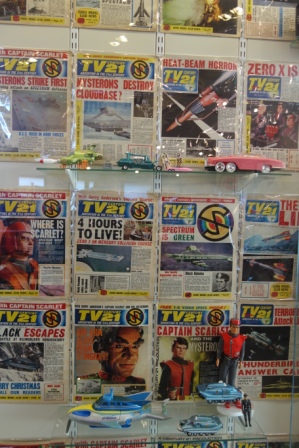
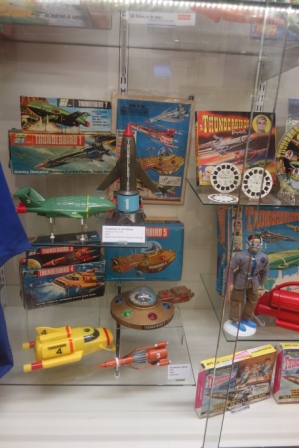
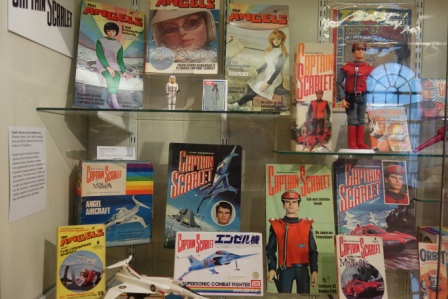
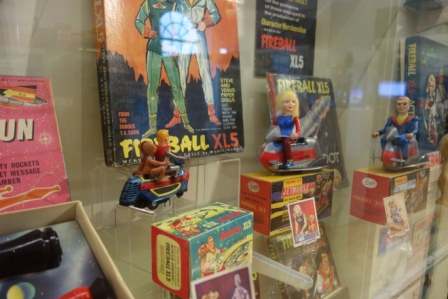
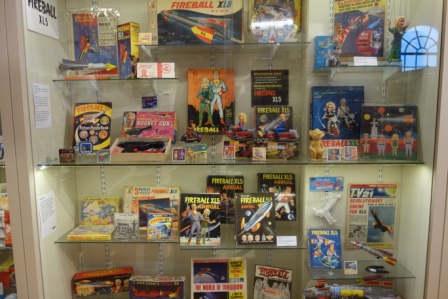
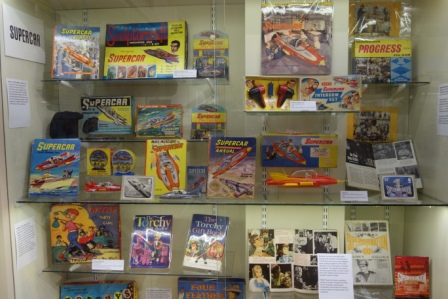
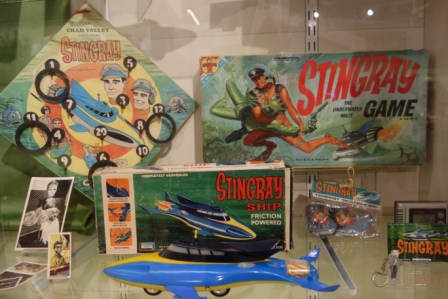
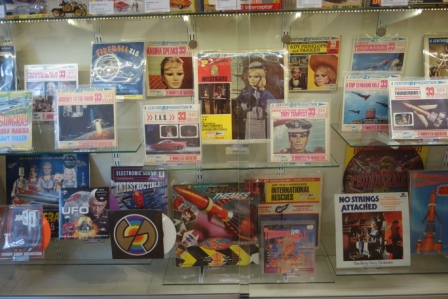
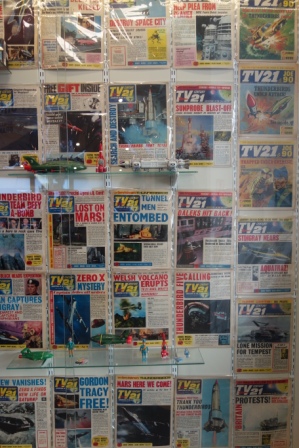
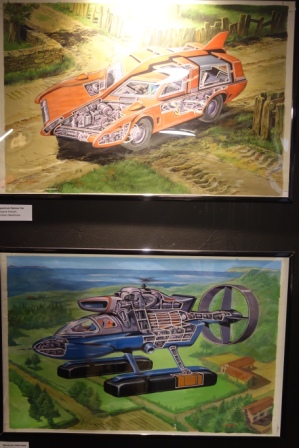
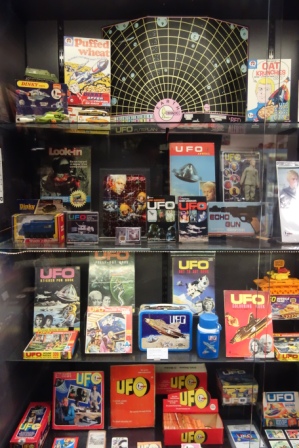
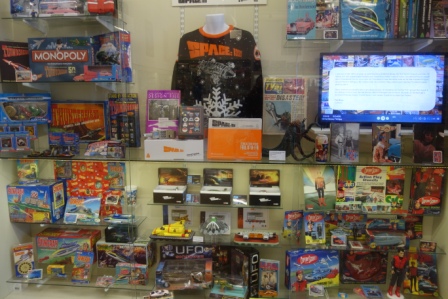
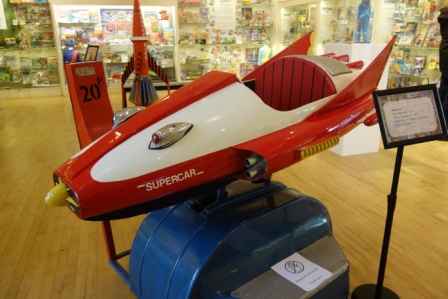
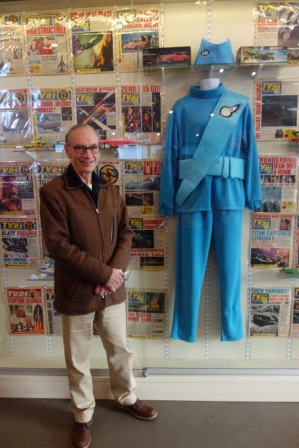
Over the years there have been exhibitions of models and props from the shows, which have nodded to the spin-off toys, but never an attempt to amass a genuinely representative collection of merchandize from across all the shows and including everything from accurate models, to toys, books, comics, games, figures, painting sets, dressing up outfits, Viewmaster slides, arcade rides – the works. Words can’t do it justice, but hopefully this selection of photos will. I’ll write more about Gerry Anderson in the future but, for the moment, I can only pay tribute to all those behind the Museum and this particular exhibition. Thank you for bringing together more stuff that I had, wanted, or would have wanted if I knew it existed, than I would ever have thought possible!