 I’m not for a moment going to claim any depth of knowledge about the musical genre or scene that is Northern Soul. Whilst I’ve learned a lot about it in the past few years courtesy of Mrs M, her brother and the lovely folk of the Gloucester Soul Collective, I wouldn’t dare write anything that sounded for a moment as if it was trying to be authoritative, not least as I know just how annoying it is to have the newly-initiated pontificating about a scene you’ve been immersed in for decades. I have, though, been lucky enough to have been exposed to the photography and film work of Elaine Constantine who has managed to capture the Northern Soul scene in a way that should make any musical tribe deeply envious.
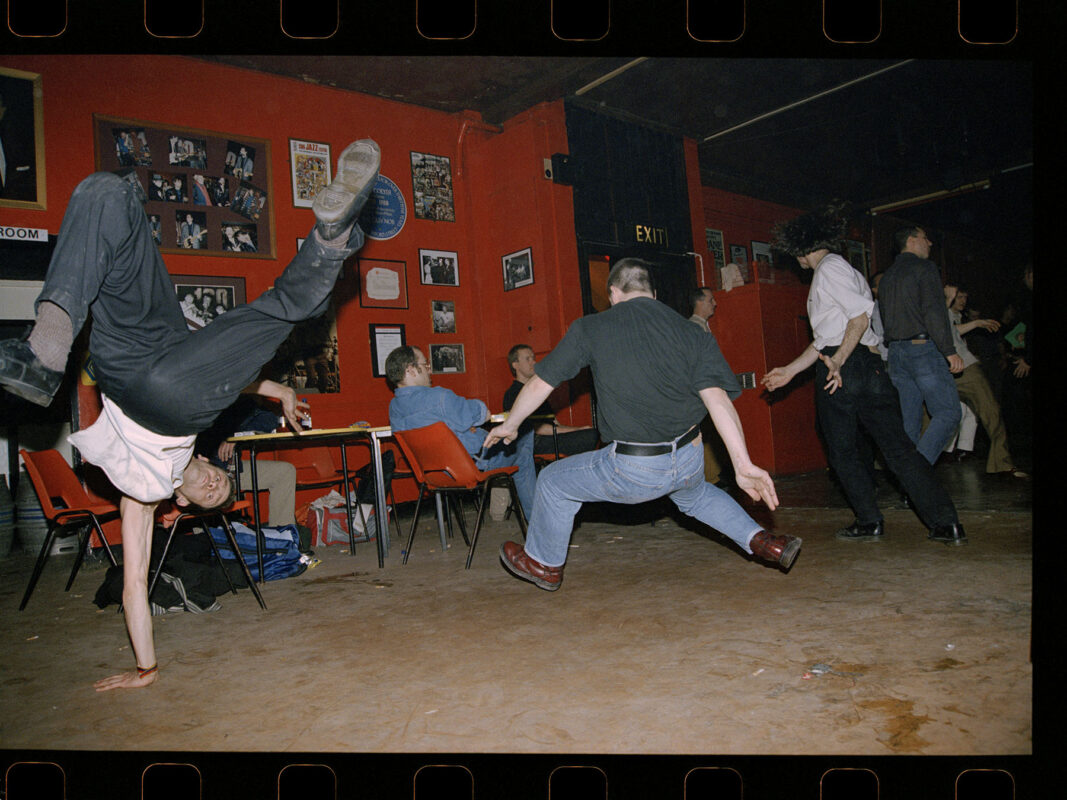
Elaine has credibility, having been part of the northern Mod scene in the late 70s, she experienced the tail end of the original Northern Soul scene at first hand, before launching into her career as a photographer for The Face magazine – the style bible for alternative cultures in the 80s. In the early 90s, an article for the Face took her back to the renascent Northern Soul scene, kept alive by a combination of the original adherents who’d ‘kept the Faith’ (not a phrase any serious soul fan would thank me for, I’m sure) and a new generation discovering rare soul records for themselves. As someone with a feel for what makes clubs work, the result was a superb collection of photos of dancers at venues like London’s 100 Club, which in turn added another definitive article to The Face’s archive.
-
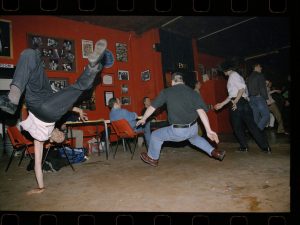
- The 100 Club
-
- The 100 Club
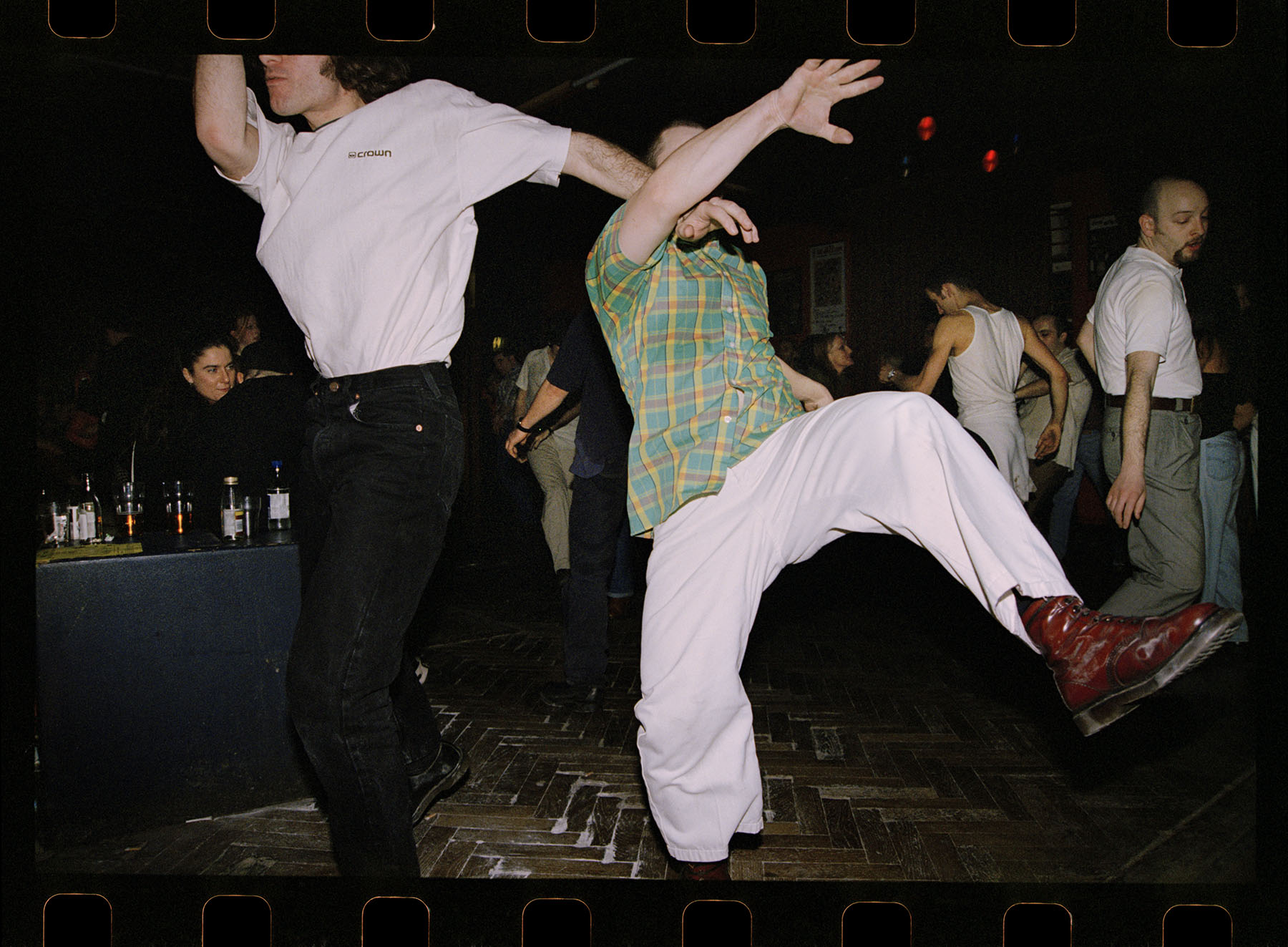
Fast forward to the 2010s and Elaine was tempted to turn her hand to film production and screenwriting, choosing as the subject for her debut the scene she was not only familiar with but where she could draw on a cadre of experts to help her bring it to live authentically. A key focus, unsurprisingly, was on the dancing that epitomised the Northern Soul scene but which also presented a range of pitfalls. The original scene is often regarded as having reached a watershed when a Granada TV documentary visited the Wigan Casino and inevitably pointed their cameras at the most athletic and demonstrative dancers, who in turn turned up the heat for the film crew. The result was a perception that ‘Northern Soul dancing’ was all about acrobatic spins, drops and kicks. Likewise, it’s easy for film makers to fall into the trap of employing those currently on the relevant scene to populate the cinema version, heedless of the fact that they’re likely to be a good deal older than those who popularised it originally. Elaine took the sensible route of using friends from the scene who knew what they were doing on a dance floor to teach the young actors and extras who were the right age to reflect those who’d have been out and about in the early 70s. With a central storyline involving two young soul fans trying to make their mark as DJs, it was also vital that they knew how to play and handle records authentically as there was no guarantee that any twenty-something actor would ever have handled a vinyl disc, let alone a US 7-inch single with a big hole in the middle. That’s where my brother-in-law came in, teaching them not only how to handle and cue a record but also how to flip through a stack of 45s in true vinyl junkie fashion.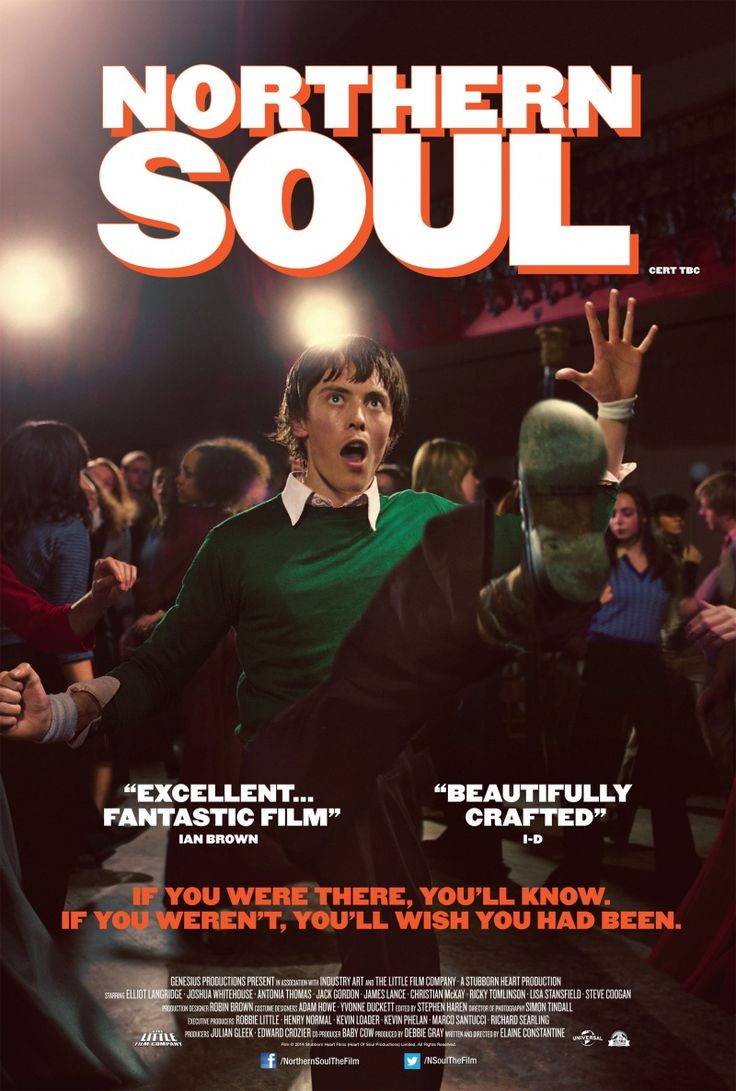
The film’s release in 2014 was something of a baptism of fire, with the distributor reluctant to take a risk on a ‘cult’ movie counterbalanced by a demand from an audience expecting something special leading to widespread special screenings on top of the routine distribution. It was deservedly well-acclaimed, not just by the critics, but also by those who’d been there (barring the inevitable nit picking from those who felt it didn’t represent their own individual experience or their received wisdom about how it was). We saw it in the first week of release and were captivated – though we couldn’t testify to the accuracy of the music scene elements themselves, the early 70s milieu felt just right, perfectly reflecting the overwhelming brown tones of the period – from carpets to cars to clothes. More importantly, the storyline had captured the experience common to all of us who’d rejected bland mainstream pop culture to pursue the lure of a music scene tribe. From first encounters, though initiation, to the defining moment of walking into a big club with the feeling of having come home, it was all there, along with the sadness of seeing friends diverted by drugs and the trepidation of coming up against those existing on the wrong side of the law. The soundtrack was deftly assembled, representing a slice of tracks that typified the scene but without falling into ’20 Gold Northern Greats’ territory. We acquired it on DVD as soon as it came out and have watched it regularly since, with no dimming of our appreciation for it.
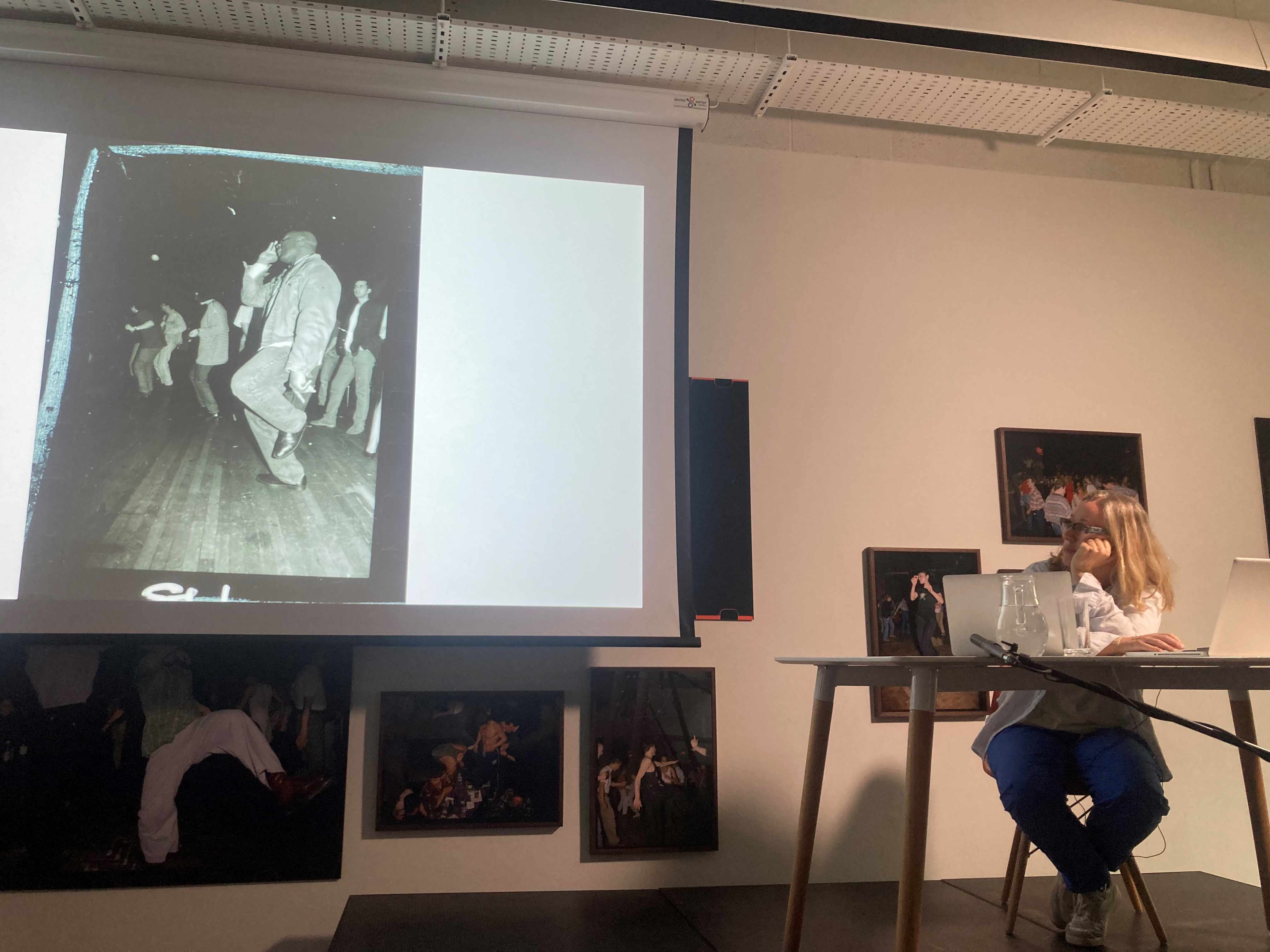
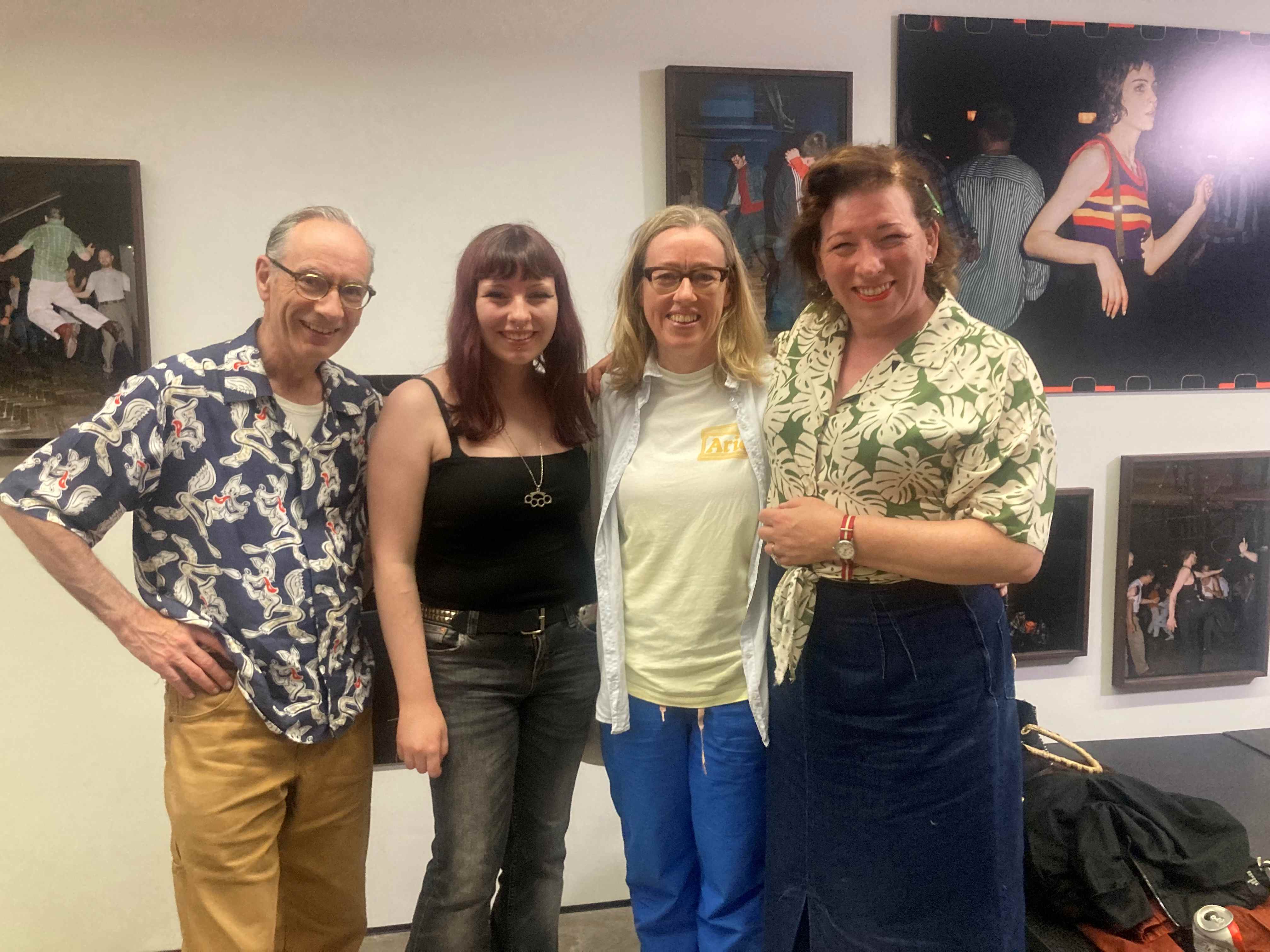
So why write about it here ten years later? The catalyst was an exhibition of Elaine’s original photographs at the Martin Parr Foundation gallery in Bristol’s Paintworks quarter, where we managed to catch an evening featuring Elaine talking about her career. Modest and with a self-deprecating humour, she clearly has a firm base of followers from both the music and photography worlds, including Martin Parr himself who limited his own interjections to encouraging her to slow down her slide show to do her work justice! With music and photography both high on our list of interests, we were captivated, and a lively discussion followed, featuring a lot of interest in the nature of the Northern Soul scene itself. We were tickled pink by her reaction when Mrs M sidled up to her afterwards to explain she was the sister of the chap featured in many of the photos on display. Although by no means surprising, it’s always a delight to find that artists you really rate are also thoroughly nice people.
-
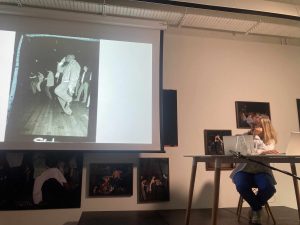
- Elaine in full flow
-
- Meeting the Author
-
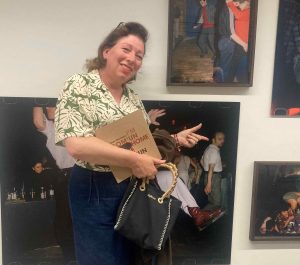
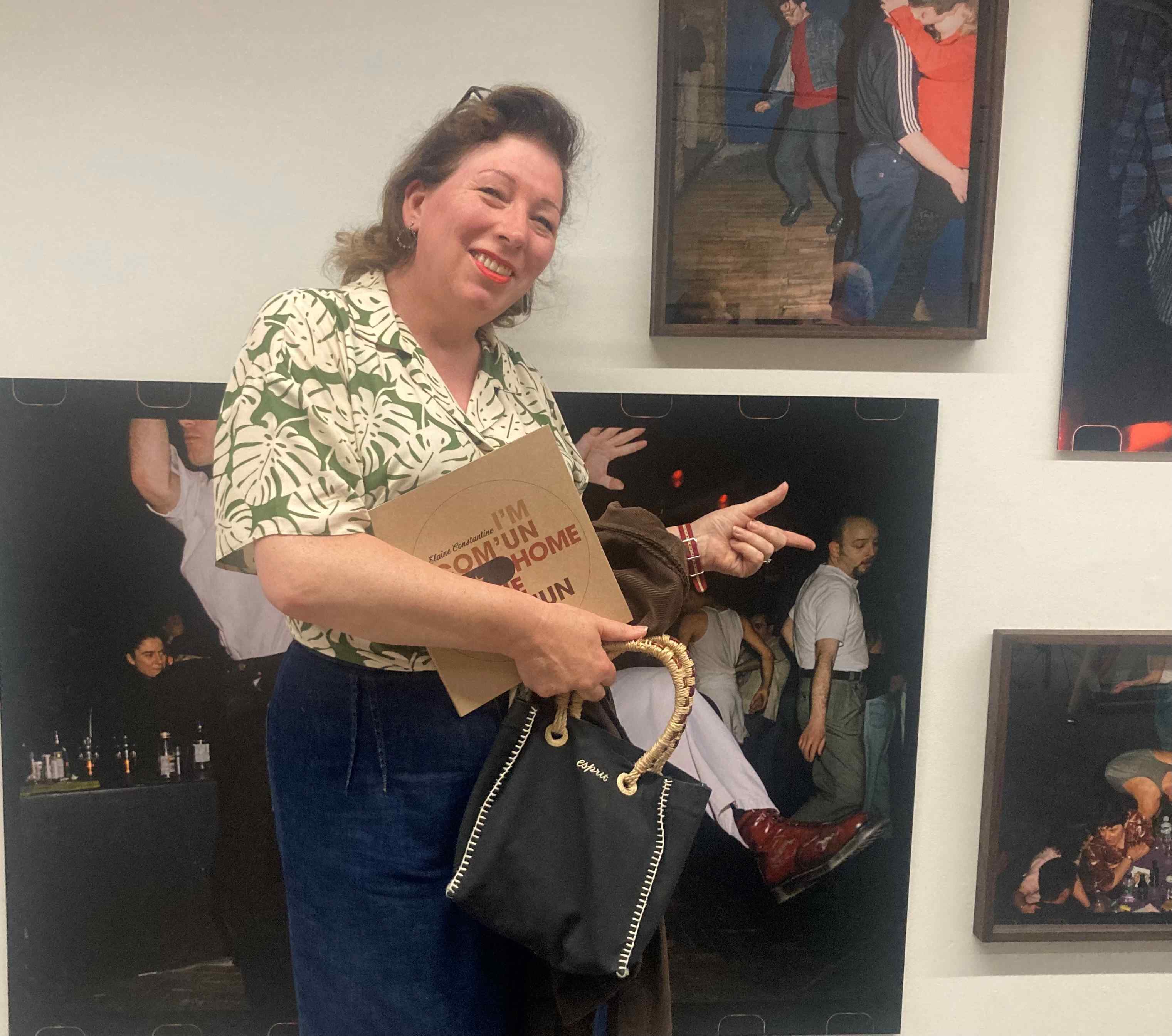
- Mrs M spots her brother
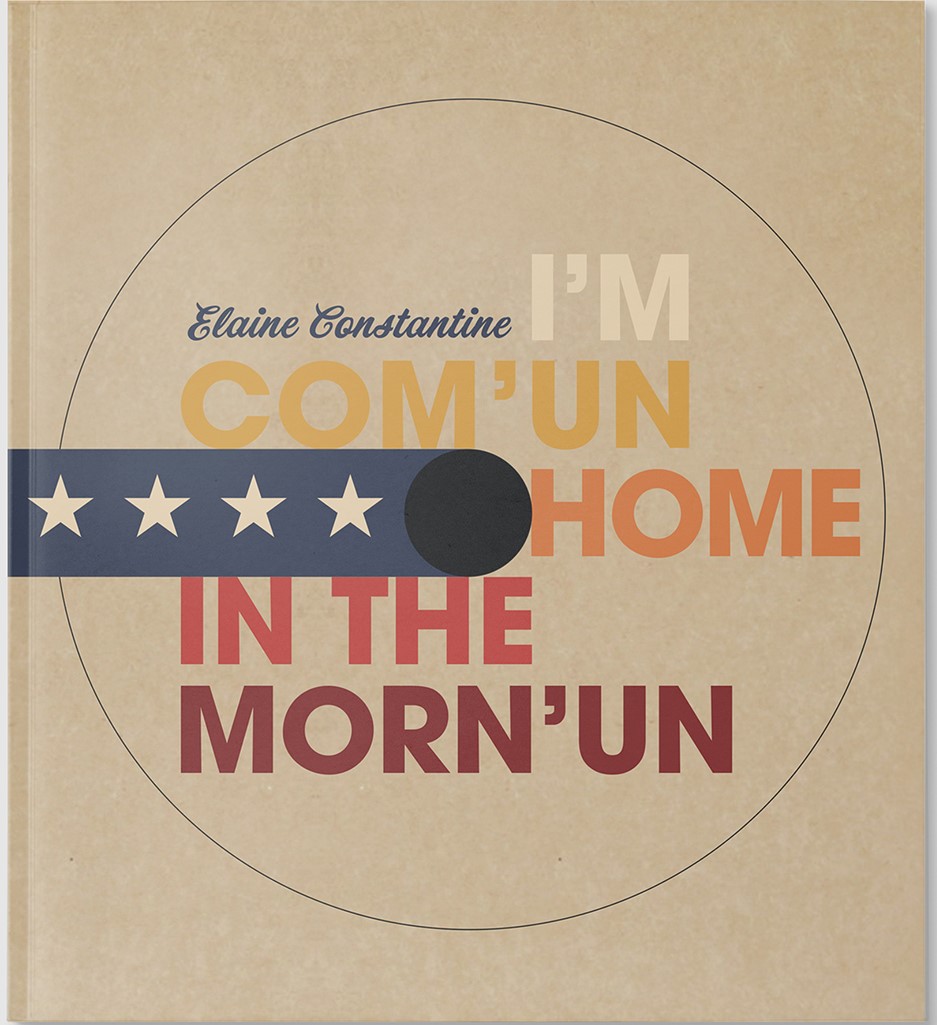
The exhibition, entitled ‘I’m Com’un Home in the Morn’un’ (after one of Elaine’s favourite soul records by Lou Pride) runs until 22 September, with a screening of the film on 3 September at the nearby RPS Auditorium (all the detail at the link). If you like good music films, good soul records, or good scene photography, then this is one not to be missed.
-
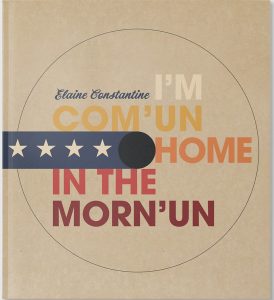
- The Book of the Exhibition
-
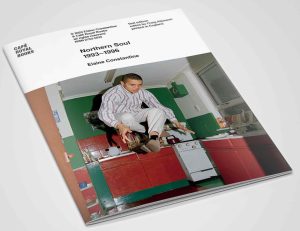
- And the Cafe Royal book
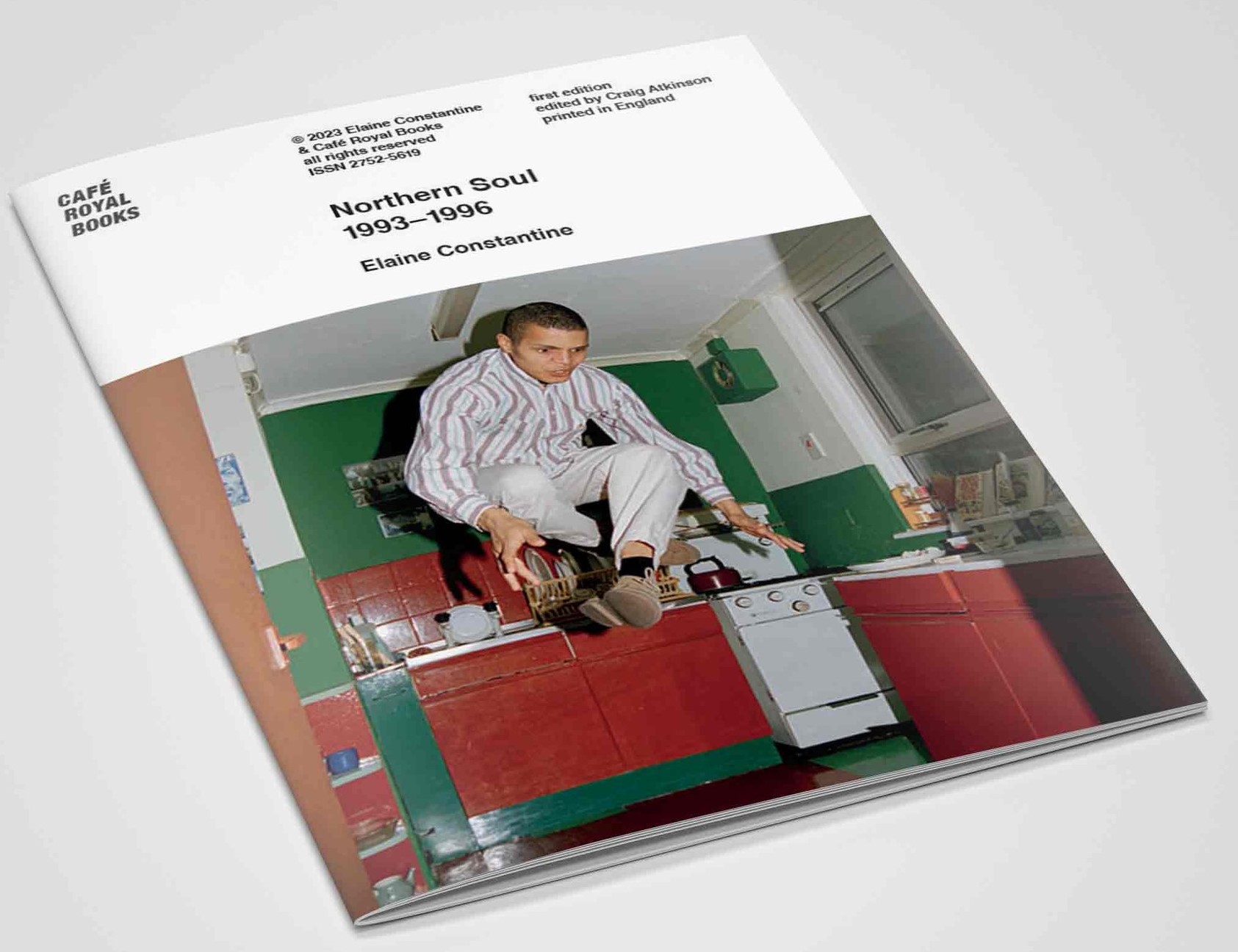
Photos from the book taken from the Martin Parr Foundation Gallery website